
How to staff rural hospitals in 2026
Rural health care is entering the most pivotal staffing era in its history. Between accelerating physician shortages, rising labor costs, growing regulatory complexity, and an aging rural population with higher acuity needs, the traditional staffing models that worked well enough five years ago are no longer viable. In 2026, rural hospitals must move beyond reactive recruiting and toward intentional, scalable physician workforce strategies that prioritize stability, continuity, and long-term sustainability. Staffing is no longer just an HR issue. It is now a core financial, operational, and community survival strategy.
Here is what rural hospital leaders must understand and do to staff successfully in 2026.
1. The old model is breaking (and it’s breaking fast)
For decades, rural hospitals leaned heavily on short-term locums coverage to solve staffing gaps. While locums still play an important role, dependence on premium, last-minute coverage is becoming financially unsustainable.
Hospitals are experiencing:
- Escalating daily physician rates
- Limited availability of qualified rural-experienced providers
- Reduced continuity of care
- Increased burnout among permanent staff
- Growing patient dissatisfaction and safety risk
Instead of just filling shifts, modern staffing is about building a reliable physician ecosystem that can grow with your hospital and your community.
2. Continuity is now as important as coverage
The cost of physician turnover is no longer just recruitment dollars — it is lost clinical momentum, lower patient satisfaction, higher readmission rates, and community erosion.
Forward-thinking rural hospitals are prioritizing:
- Long-term physician partnerships
- Consistent provider presence
- Care model continuity
- Predictable schedules
- Strong onboarding and retention support
Hospitals that treat staffing as a continuity strategy rather than a coverage transaction are seeing stronger physician retention, higher patient satisfaction, and better financial predictability.
3. Workforce planning must be multi-year, not month to month
The most successful rural hospitals in 2026 are no longer asking, “Who can work next month?”
They are asking:
- What will our staffing model look like in one, three, and five years?
- How do we reduce premium labor dependency?
- How do we build provider loyalty?
- What specialties are at highest risk?
- How do we protect our financial margins long-term?
Multi-year workforce planning allows hospitals to proactively stabilize schedules, forecast recruitment needs, and implement sustainable physician pipelines. This approach shifts staffing from reactive crisis management to strategic operational leadership.
4. Rural physicians are choosing culture as much as compensation
Compensation still matters but culture now closes the deal.
Physicians considering rural practice are increasingly looking for:
- Predictable schedules
- Work-life balance
- Administrative support
- Respectful leadership
- A sense of purpose and community impact
Hospitals that invest in strong onboarding, communication, and physician support structures are winning the competition for high-quality rural clinicians even against higher-paying systems.
5. Your staffing partner matters more than ever
As a strategic extension of your hospital, your staffing partner should be more than simply a vendor.
The right partner should help you:
- Reduce premium and locum dependency
- Build long-term physician pipelines
- Support onboarding and retention
- Maintain compliance and credentialing integrity
- Forecast staffing needs and cost models
- Protect your financial sustainability
Rural hospitals that partner with organizations that understand rural medicine – not just staffing – are building stronger, more stable clinical programs and preserving access to care in their communities.
Staffing is now a community survival strategy
For rural hospitals, staffing is no longer just about filling roles — it is about preserving local access to care, supporting your clinical teams, protecting financial margins, and ensuring your community’s long-term health. The future will reward hospitals that lead with strategy, foresight, and partnership, not panic and patchwork.
NRHA adapted the above piece from Rural Physicians Group, a trusted NRHA partner, for publication within the Association’s Rural Health Voices blog.
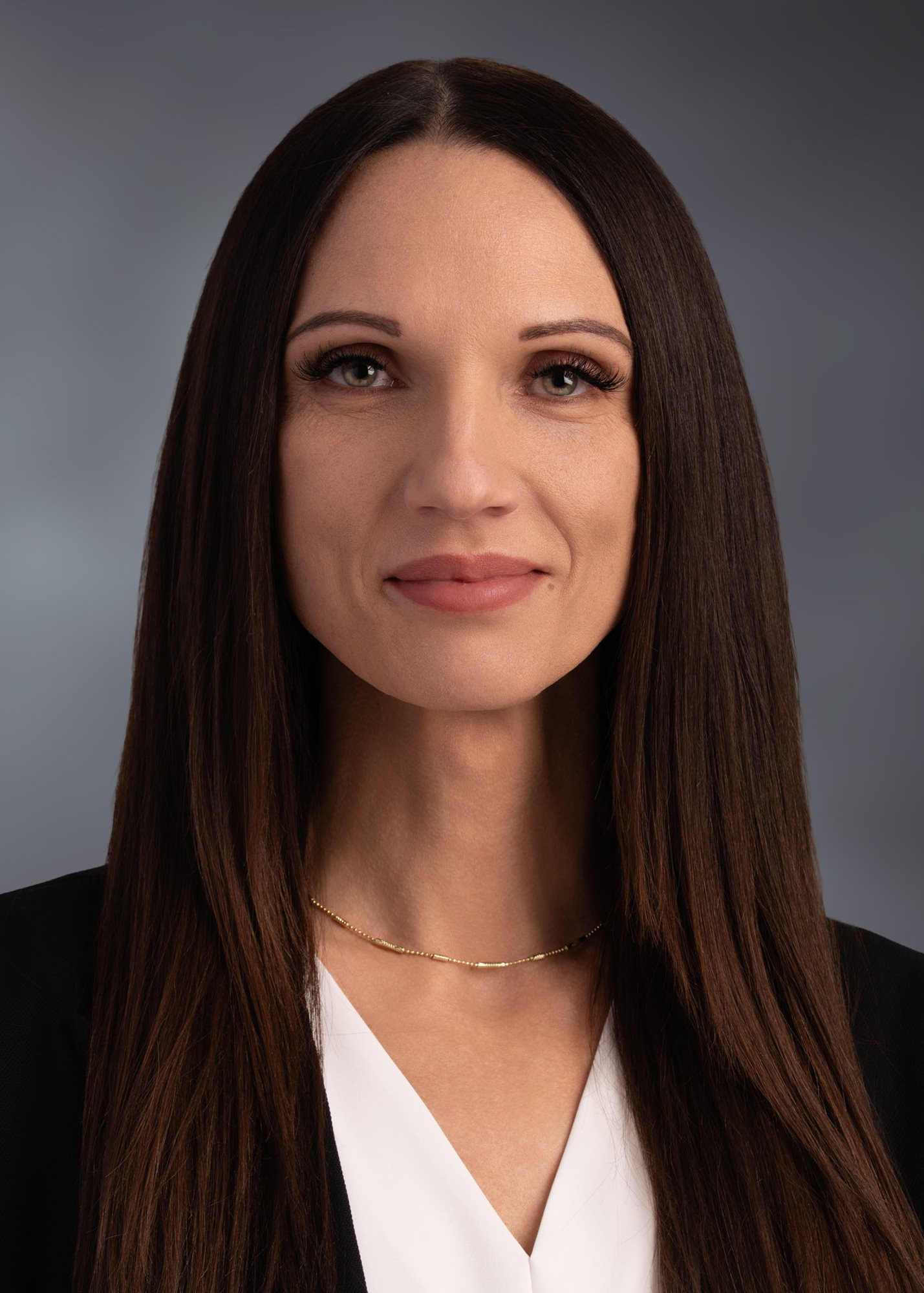 | Jessica Spencer serves as the vice president of operations at Rural Physicians Group, bringing over two decades of health care experience to the role. With a strong background in multi-specialty physician practice administration, revenue cycle management, and physician contracting, Jessica offers deep expertise and strategic insight to the RPG team. |