
Rural at Heart: Making golden years brighter
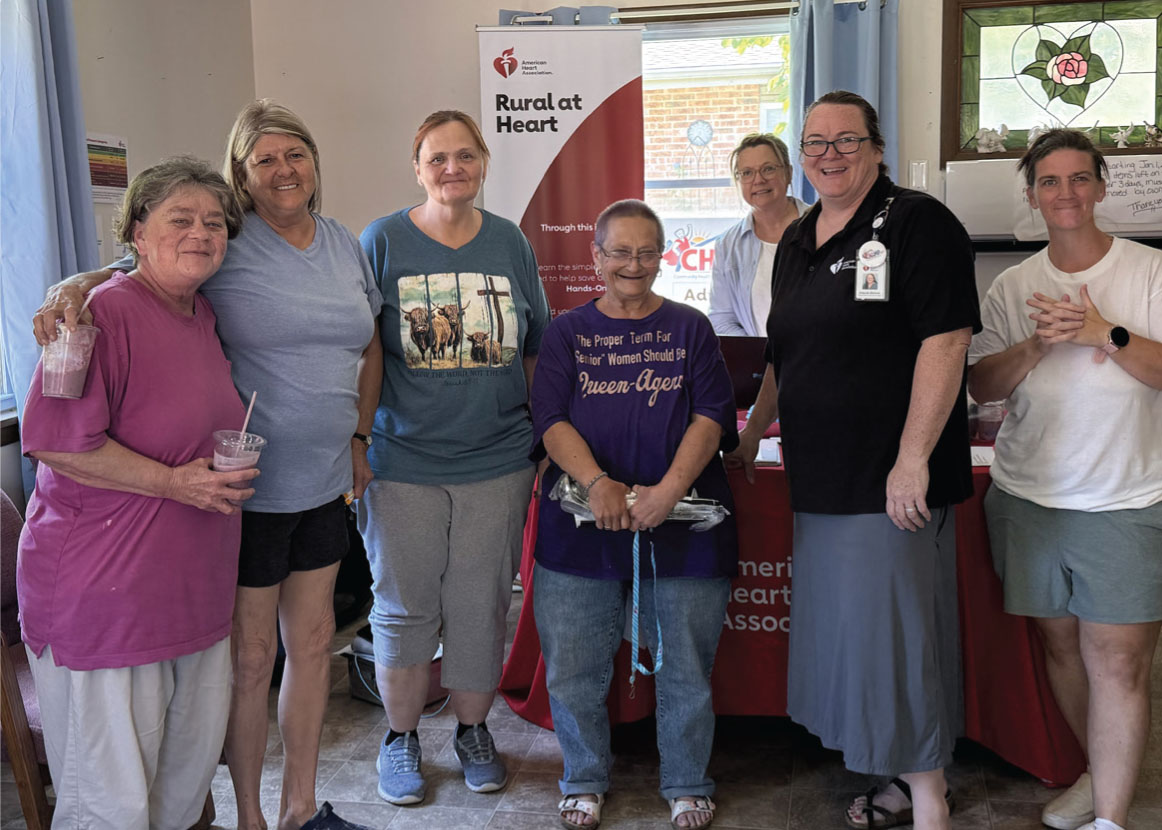
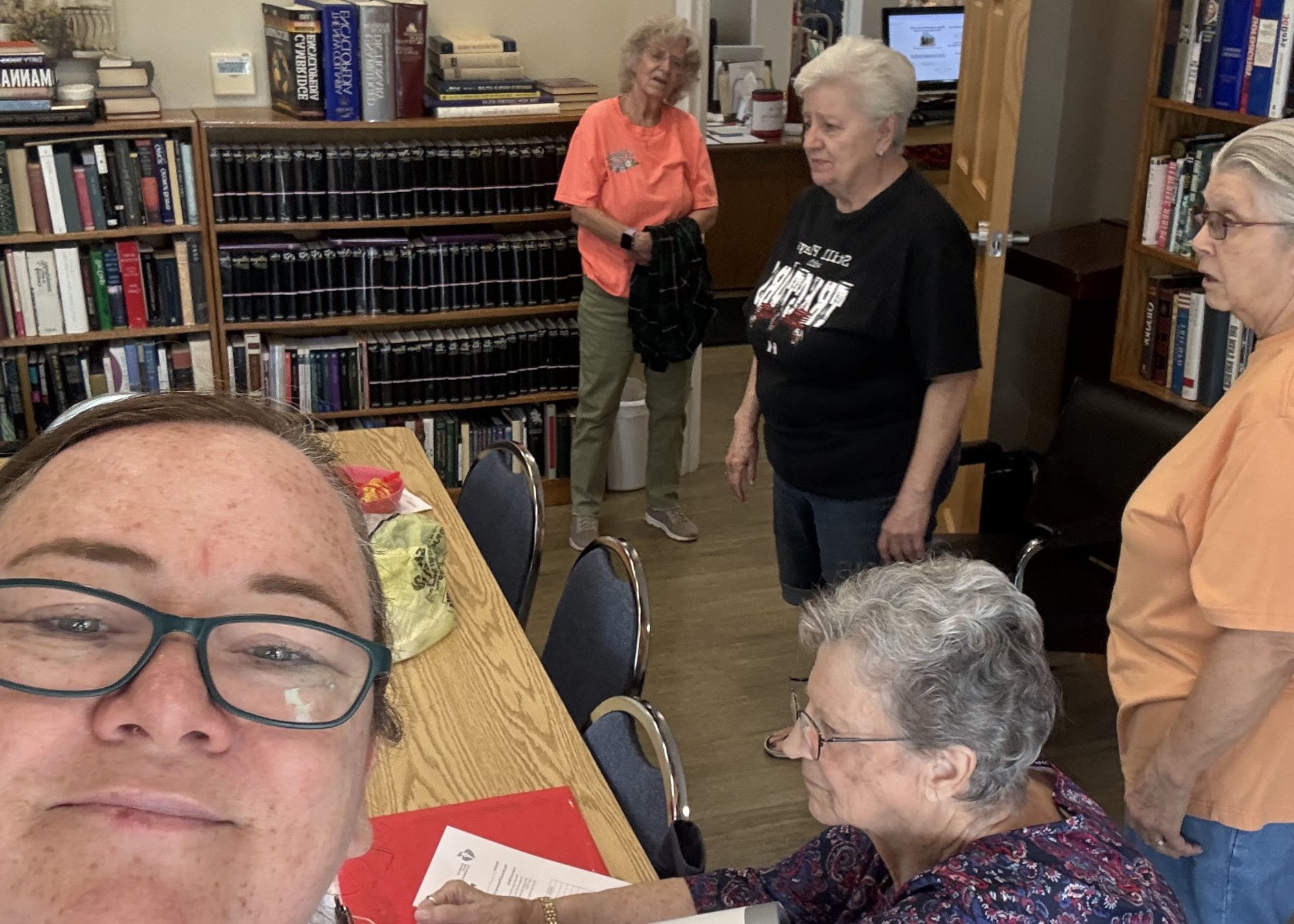
For Deborah Grimmer, going to work sometimes means playing bingo. As a community connector with the American Heart Association’s Rural at Heart initiative, Grimmer knows building trust is an essential part of her job. She might initially think she’s too busy for parlor games, but sitting down with older community members at senior centers helps her better serve them. It encourages them to welcome her into their community, making them more likely to hear her out when she suggests getting a blood pressure screening or swapping butter for herbs and spices in a recipe. Once she even received an invitation to a woman’s hundredth birthday party.
“It’s fun to serve the older community members and watch how they work with each other,” Grimmer says. “They’re always so accommodating when they realize I’m there to help them out. At one senior center there’s a younger man who comes with his mother and will help me pass out papers, and there’s often music playing in the background. It’s clear that they enjoy spending time with each other, and they welcome me in as well.”
"It’s fun to serve the older community members and watch how they work with each other." – Deborah Grimmer |
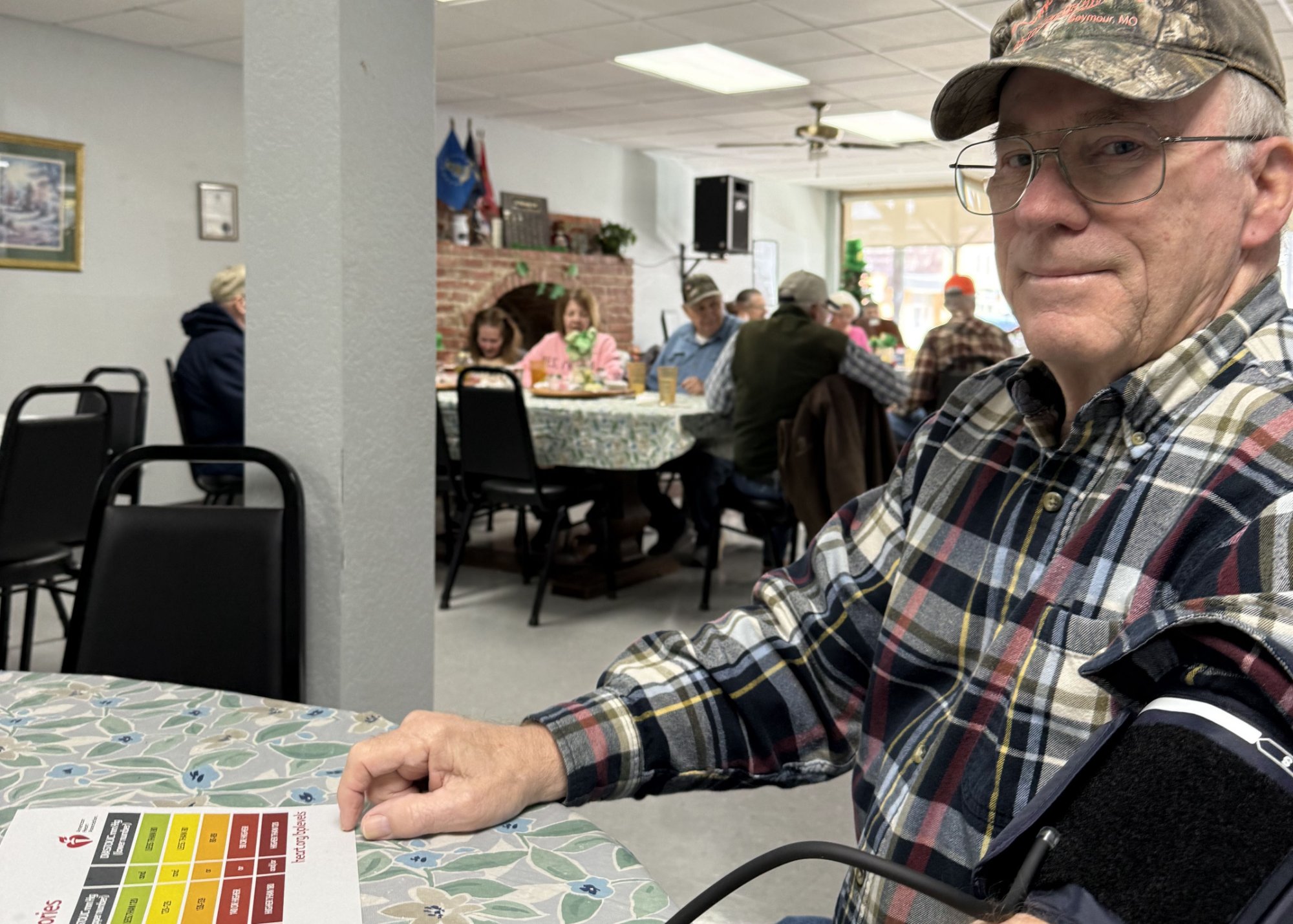
In her role as a community connector, Grimmer primarily reaches older adults at senior centers, where she provides education and resources to help them improve their cardiovascular health – blood pressure screenings and management, CPR training, nutrition and healthy eating guidance, and more depending on identified needs.
“We aim to reach them where they are,” she says. “Sometimes I’m met with resistance – especially when discussing healthy eating or diet changes – but then I just change the subject to a topic they do want to talk about – ‘tell me about your hat,’ for instance. In the end I try to make it a friendly conversation about trying to take control of their health.”
-crop.jpg)
Moving at the speed of trust
Founded in 2021 as HeartCorps, Rural at Heart aims to strengthen rural and tribal communities by breaking down barriers to care, expanding access to resources, and empowering residents to take charge of their health. According to Diamond LeSane, Rural at Heart national program director, the initiative is currently active in approximately 35 communities across the country. Community connectors are essential to the program’s mission, as they function as a hybrid between a community health worker and a health navigator and are almost always from the communities they serve.
“Our work moves at the speed of trust, so having someone local to help facilitate the work who is culturally sensitive has been really powerful,” LeSane says. “Because the community connectors are typically located in established, well-trusted organizations, they have a built-in audience available to them. They’re also able to collaborate with their site for any external outreach, and they learn evidence-based interventions through their training with the American Heart Association.”
"Our work moves at the speed of trust, so having someone local to help facilitate the work who is culturally sensitive has been really powerful." – Diamond LeSane |
According to the National Institutes of Health, rural older adults face a significantly higher risk of heart disease and heart failure compared to urban residents and experience higher mortality rates due to social determinants such as poverty, lack of access to specialized care, geographic isolation, and higher rates of smoking, high blood pressure, and obesity. Interestingly, rural communities also have an important strength that helps them address these challenges.
“Rural communities have some of the highest rates of social cohesion – that’s one of their assets,” says Jessica Donze Black, American Heart Association senior vice president of community health. “With that comes cultural norms and the sense that everybody knows everybody. Having an approach that respects that and reflects the value of that cohesion is essential. The key is getting to know the people and identifying what’s important to them.”
Respecting sovereignty
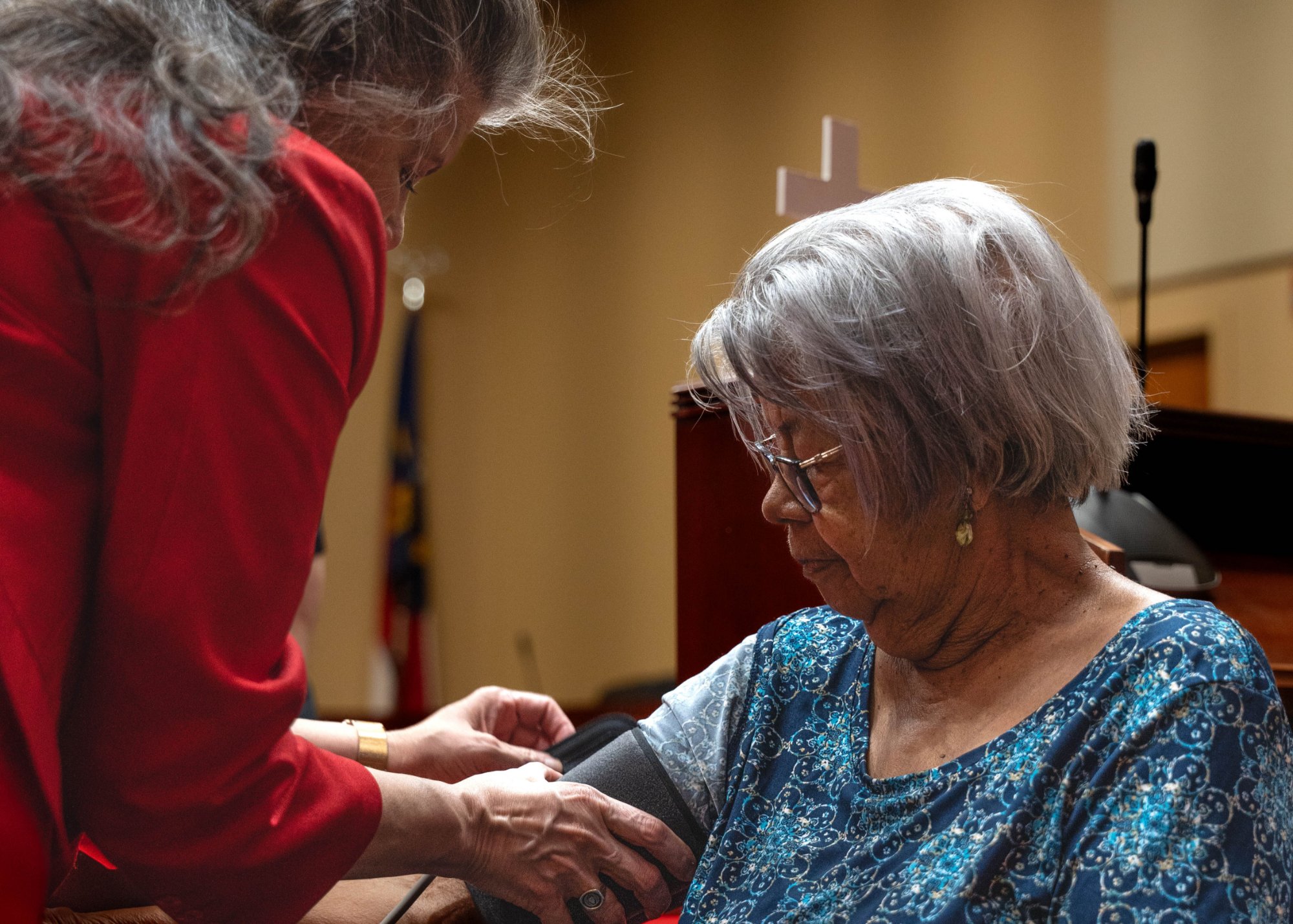
In tribal communities, trust and cultural sensitivity are especially vital. Community connector Vanessa Locklear has worked with the Lumbee Tribe of North Carolina for three years – a natural fit for her since she has a background as an educator and is also a member of the tribe. This familiarity has helped her engage the tribe’s elder groups, whose approval has been essential to wider acceptance and adoption of healthier lifestyle practices among members.
“I love working with older adults because they’re eager to learn,” Locklear says. “They might not trust you in the beginning – but once they see you’re here to help them, they’re excited and passionate and they will try new things. I approach them as though I’m here as a partner to help them, and we learn together. They encourage me and show me new things in the community, and I try to show them new things too.”
"Rural communities have some of the highest rates of social cohesion – that’s one of their assets." – Jessica Donze Black |
Respecting traditions and culture while encouraging small lifestyle changes has helped Locklear and other community connectors in tribal areas put older adults who were initially resistant to change on a healthier path. For instance, many older adults initially bristle when confronted with the possibility of changing their diet, with LeSane pointing out the importance of tribal food sovereignty and wanting to avoid telling anyone how they should or should not eat.
“We wanted to show them how they could repurpose certain items in a healthier way that would allow them to retain their traditions but also support healthier habits,” LeSane says. “We often say the messenger is almost as important as the message. We saw this as a fantastic opportunity to engage someone who already had inherent trust in that community, teach them how we approach things, and allow them the flexibility with our coaching and support to modify not our science but the way we deliver the message so the community would be receptive to it.”
Focusing on what matters
In recent years more rural older adults have expressed a desire to age in place, remaining in their community and living independently during their senior years. According to Black, the Rural at Heart initiative supports these efforts by partnering with the National Rural Age-Friendly Initiative and focusing on the 4Ms Framework for age-friendly care. The 4Ms – what matters, medication, mentation, and mobility – serve as the foundation of Age-Friendly Health Systems, an evidence-based initiative of The John A. Hartford Foundation, the Institute for Healthcare Improvement, and the American Hospital Association designed to improve care for older adults. Through initiatives like Rural at Heart, the American Heart Association helps older adults improve their overall quality of life.
“Another piece that’s emerged is a commitment to the local community,” Black says. “Being able to connect with resources and people in the community has helped facilitate the work we do. A lot of this work centers around the 4Ms. People want to age in place, so we want to utilize existing community resources to help them do that.”
"To be able to come here and do what I love all rolled up in one and give back to my own community is a true blessing in my life." – Vanessa Locklear |
For the community connectors, the initiative also provides an opportunity to help older adults they know and love tackle significant health problems. In Grimmer’s case, the motivation is twofold: her father recently passed away after many years battling cardiovascular disease, while her daughter received lifesaving treatment as a child for a heart defect.
“She’s an adult now, but in third grade she took a little Teflon square from our kitchen to school and said, ‘This is in my heart,’” Grimmer recalls. “She was a little ambassador before I ever knew I would be doing this work.
“This is the best job I’ve ever had,” Locklear adds. “I was in education and I previously worked in a hospital – the health field was my life. To be able to come here and do what I love all rolled up in one and give back to my own community is a true blessing in my life.”
This article was produced as part of the National Rural Age-Friendly Initiative, a partnership between NRHA and The John A. Hartford Foundation.
Connecting communities to better heart health
The American Heart Association’s Rural at Heart initiative strengthens rural and tribal communities by breaking down barriers to care, expanding access to resources, and empowering residents to take charge of their health.
Learn more about the American Heart Association's Rural at Heart initiative and find out how to support the community connectors in their work.
The National Rural Age-Friendly Initiative is a joint effort between the National Rural Health Association and The John A. Hartford Foundation to develop resources, partnerships, and strategies to build age-friendly care for the one in five older adults living in rural geographies.