
Advanced imaging in rural areas: closing the distance to care
Rural communities know what it means to make do with less – and they know how less time, fewer specialists, and longer drives can lead to delayed care. When it comes to advanced imaging, those gaps can have serious consequences. A missed scan, postponed diagnosis, or six-hour drive for a child’s MRI is more than just an inconvenience – it can shape outcomes.
This is where advanced imaging, telemedicine, and mobile health can make a practical difference in rural health care. When health systems bring imaging services closer to patients, connect specialists across distances, and use flexible care models, they reduce barriers that have limited access for years.
The lesson is simple: rural access improves when care models are built around the realities of rural life.
Why advanced imaging remains hard to access in rural communities
Rural hospitals and clinics face a long list of pressures, with workforce shortages often at the top of the list. Advanced imaging depends on trained technologists, radiologists, subspecialists, service support, and reliable workflows.
Distance adds another layer. A patient may live hours from the nearest center that offers CT, MRI, or specialty imaging. For families, that can mean taking unpaid time off work, arranging childcare, finding transportation, and managing lodging or meals during travel. For older adults or patients with chronic illness, even one trip can be a major burden.
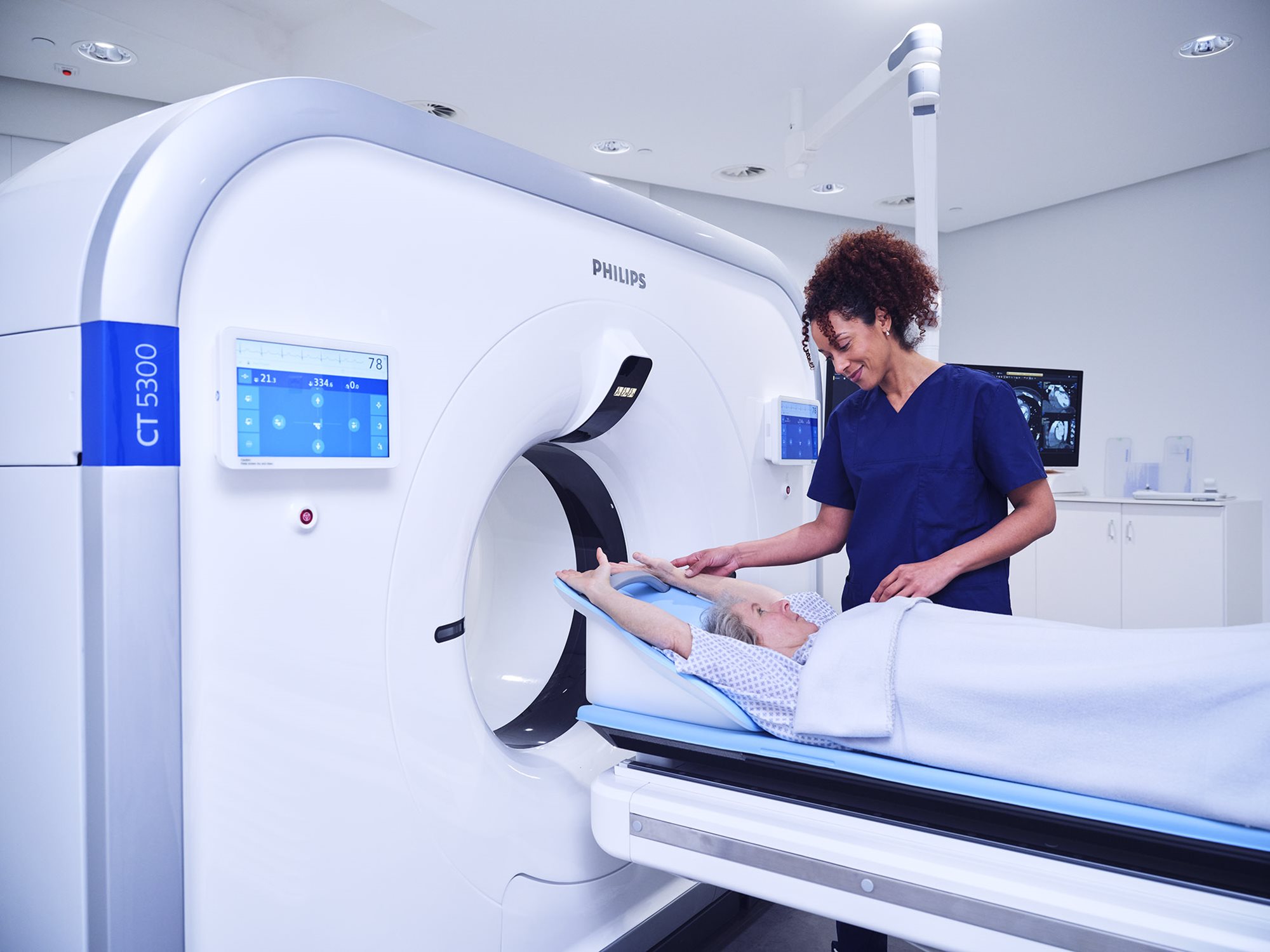
Access to expertise presents another challenge. A facility may have imaging equipment on site but lack a specialist who can guide complex exams, read difficult cases, or support teams in real time. In pediatric care, cardiac imaging, and cancer screening, that expertise matters.
Rural communities also tend to carry a higher burden of preventable disease while facing lower access to early screening. That combination makes timely imaging even more important. The issue isn’t whether rural patients need advanced imaging. They do. The issue is how to deliver it in ways that are sustainable, local, and clinically sound.
What rural imaging solutions need to do
For imaging strategies to work in rural communities, they need to match local conditions. That usually means focusing on a few core goals:
1. Bring care closer to the patient.
When people can get imaging closer to home, they’re more likely to complete exams and follow up on care plans. This helps reduce missed appointments and delays in diagnosis.
2. Extend specialist expertise across sites.
Telemedicine and remote collaboration tools can help subspecialists support local teams without requiring every patient to travel to a major center.
3. Use flexible models for screening and diagnosis.
Mobile imaging units and portable technologies can reach communities where fixed-site access is limited.
4. Support local teams, not replace them.
The strongest models combine technology with training, workflow support, and cross-site teamwork. They need tools that fit into the realities of daily care.
These principles align with what rural leaders value: practical solutions, stronger partnerships, accountability, and patient-centered care that works in the real world.
Extending advanced imaging beyond hospital walls
One of the clearest examples comes from Arkansas Children’s Hospital, which has used telemedicine to expand access to pediatric cardiac MRI and CT services. Before this model was in place, patients from Arkansas Children’s Northwest often had to drive six hours roundtrip to the main campus for advanced cardiac imaging.
That kind of trip is hard on any family. For a child with a heart condition, it can be especially stressful. It can also discourage families from seeking recommended care on time.
By using remote imaging technology and cross-site teamwork, Arkansas Children’s was able to deliver needed services closer to where patients live. In the first year, the program completed approximately 41 cardiac MRIs and 32 cardiac CTs. That early volume shows both demand and feasibility and demonstrates that when barriers come down, patients use the services.
The program has continued to grow across locations. More importantly, many families who may have been overwhelmed by the travel burden are now receiving quality care close to home. That’s a meaningful shift. Rural access is often discussed in broad terms, but this is how progress looks on the ground: fewer miles traveled, more completed exams, and better alignment between clinical recommendations and what patients can realistically do.
Arkansas Children’s also moved to expand capabilities further with the Philips Radiology Operations Command Center. That step points to an important reality in rural imaging: scaling access isn’t just about buying equipment. It’s about building a model that allows expertise to consistently reach multiple sites.
Meeting communities where they are with mobile imaging
Not every rural access problem can be solved by asking patients to come to a facility. In some cases, the better answer is to bring the service to the community.
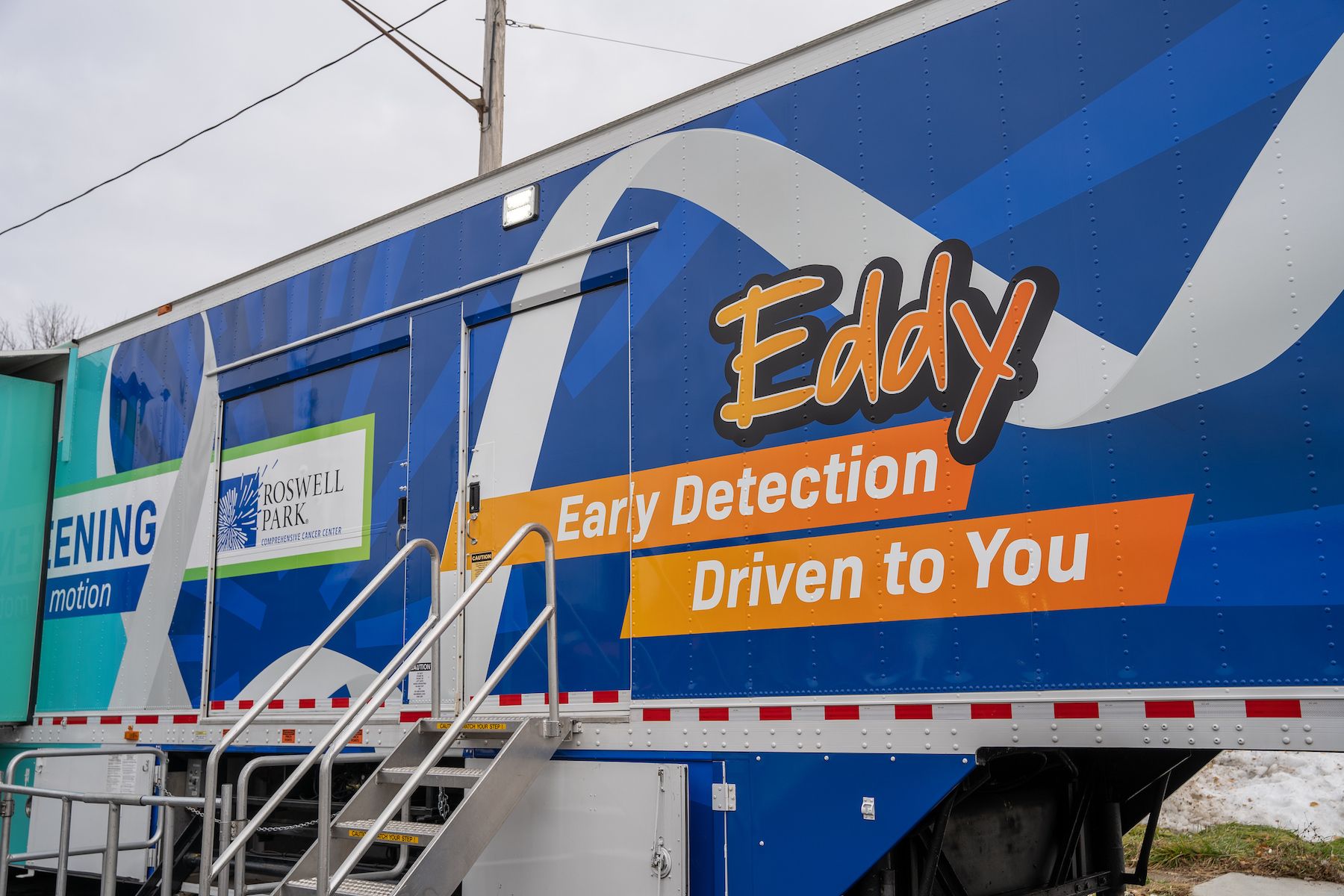
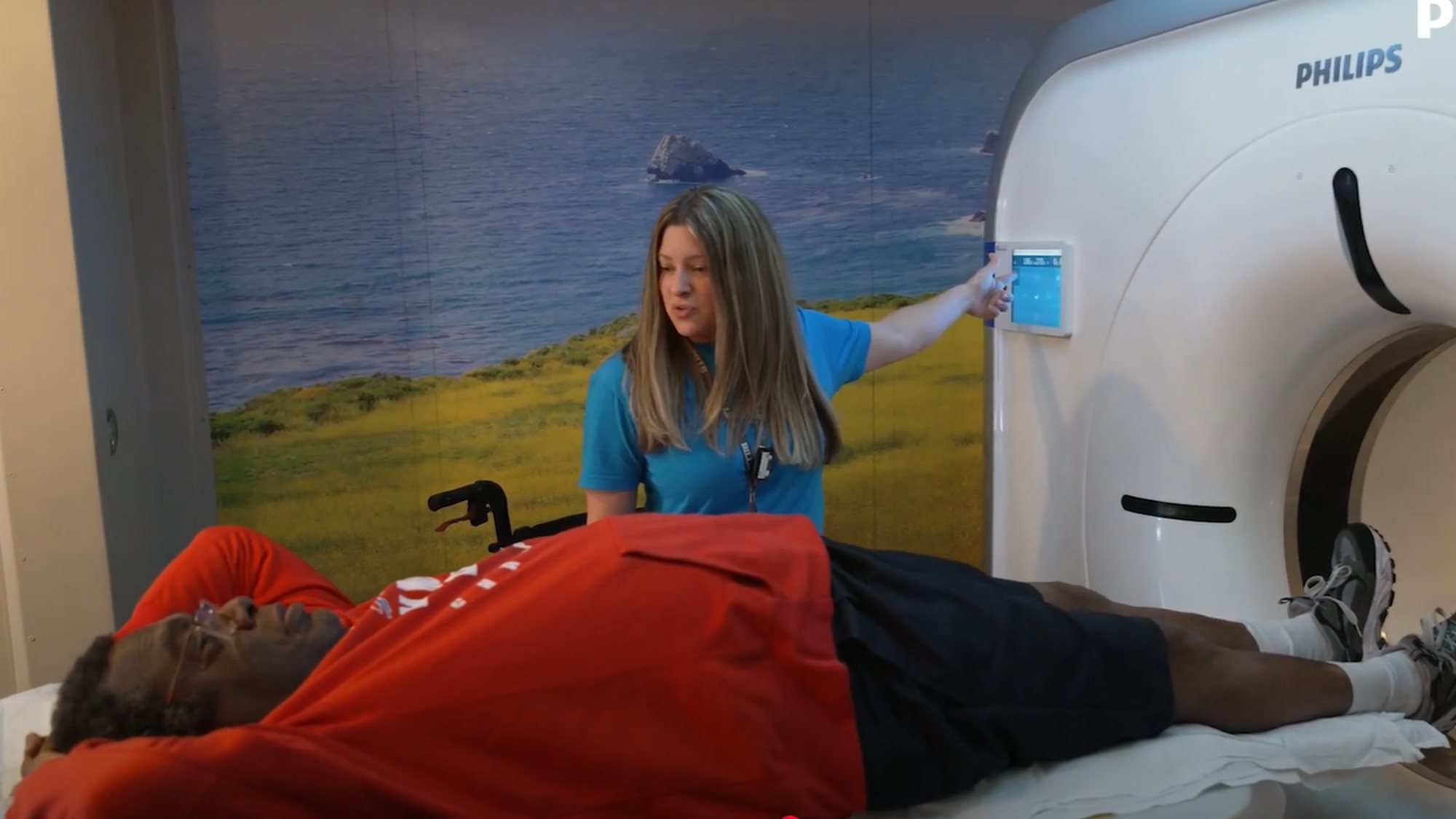
The EDDY mobile lung cancer screening program offers a strong example of that approach. EDDY is a mobile screening unit equipped with specialized imaging technology that delivers CT scans to the clinical specifications of Roswell Park Comprehensive Cancer Center. The program was designed to reach underserved populations in New York through a public-private partnership focused on improving public health.
This model matters because lung cancer screening is highly sensitive to access barriers. Screening works best when it’s accessible, easy to schedule, and tied to trusted community relationships. If patients need to travel far, take a full day off work, or navigate a complex referral process, participation drops.
EDDY helps address those barriers by bringing screening directly into the community. Since the program began, it has screened more than 2,800 individuals across Western New York. That’s a sign that mobile imaging can widen the front door to preventive care.
For rural health care leaders, there’s a useful lesson here: mobile health models can do more than fill a temporary gap. When designed well, they can become a durable part of regional care delivery, especially for screening and early detection programs.
Actionable strategies for rural health care leaders
Rural communities don’t need one perfect model. They need workable options. Based on these examples, several strategies stand out.
Build hub-and-spoke imaging networks.
Health systems can connect rural sites to centralized specialists through telemedicine and remote collaboration. This allows local teams to perform more exams while still drawing on advanced expertise when needed.
Invest in mobile health for targeted use cases.
Mobile units are especially useful for screening programs where geographic access remains a major barrier, including lung cancer screening.
Focus on workflows, not just devices.
Technology only helps when it fits clinical operations. Rural imaging strategies should include training, scheduling support, escalation pathways, and maintenance planning.
Prioritize measurable outcomes.
Track travel reduction, completed exam volume, time to diagnosis, follow-up rates, and patient adherence. Rural leaders need clear data to show what is working and where to adjust.
Design around the patient experience.
Travel burden, sedation time, comfort, and ease of scheduling all impact access. If the experience is too hard, utilization will suffer.
Closing the gap takes partnership and practical design
There’s no single fix for imaging access in rural America. Still, the direction is clear. Rural communities benefit when advanced imaging becomes more connected, more mobile, and more patient centered.
For rural health care leaders, the next step isn’t to chase novelty – it’s to identify the biggest imaging barriers in their communities and build partnerships that address them in practical ways. The most effective solutions are rarely flashy. They’re the ones that help more people get the right scan, at the right time, closer to home.
The opinions and clinical experiences presented herein are specific to the featured clinician and are for information purposes only. Individual results may vary depending on a variety of patient-specific attributes and related factors. Nothing in this article is intended to provide specific medical advice or to take the place of written law or regulations.
NRHA adapted the above piece from Philips Healthcare, a trusted NRHA partner, for publication within the Association’s Rural Health Voices blog.
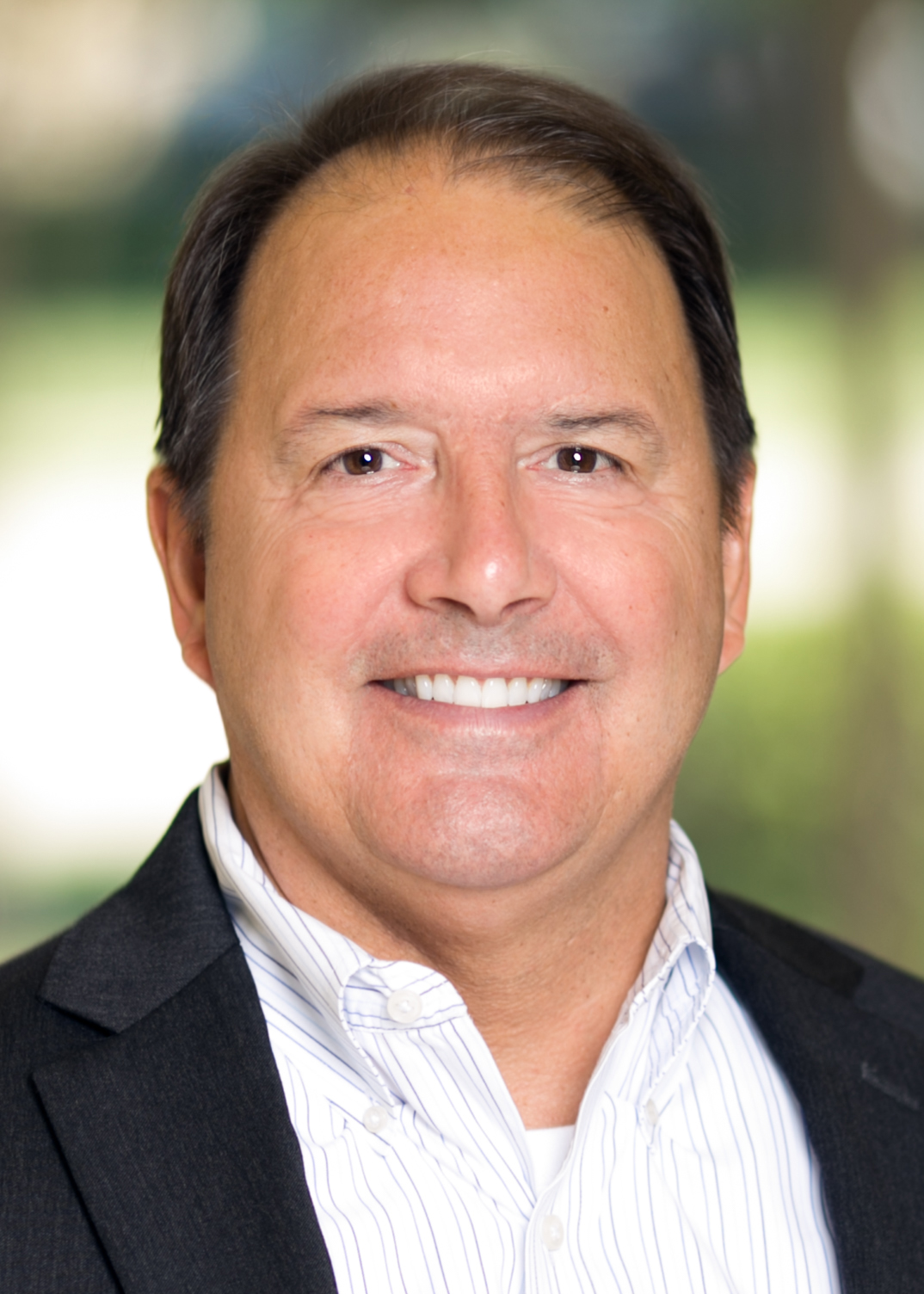 | Michael Lemnitzer, CPA, CCP, has over 36 years of health care experience, including 14 years related to geriatrics and long-term care and the most recent 22 years related to virtual health technologies. Working closely with state and commonwealth officials, through strategic and public/private partnerships, Mike helps to deploy Philips health care and personal health portfolios to help improve health outcomes and address health care access and disparity gaps. |