How libraries are bringing heart-health resources to rural communities
In many rural and tribal communities, the public library is more than a place to borrow a book. It is where neighbors gather, students find internet access, families attend programs, and residents connect with information they trust. For people who live far from a clinic, pharmacy, or health care professional, a familiar community space can become an important bridge to better health.
Libraries with Heart™, an American Heart Association initiative that connects blood pressure monitoring tools and heart-health education with local libraries, gives rural health leaders practical guidance that communities can adapt to fit their local needs.
Through Rural at Heart, which oversees Libraries with Heart, community connectors work with libraries and community-based organizations to tailor resources to local needs, introduce blood pressure self-measurement equipment, and connect residents with education and support. From July 2025 to July 2026, 455 libraries across eight states implemented Libraries with Heart, establishing blood pressure stations for self-measurement, education, and referrals to clinical care – and that number continues to grow.
Why access matters
More than 60 million people live in rural communities where access to health care, education, and resources can be limited. Geographic distance, workforce shortages, and limited access to healthy food and health care can make it harder to detect and manage chronic conditions before they become serious.
This includes high blood pressure, which affects nearly half of U.S. adults, according to the American Heart Association. Many people do not know they have it and do not have it under control. Known as a “silent killer,” high blood pressure can raise the risk of heart attack, stroke, and other health problems. Knowing your numbers, checking them regularly, and talking with a health care professional are important steps for controlling high blood pressure.
But even a simple blood pressure check can come with obstacles. A home monitor may be too expensive. A clinic may be too far away, or a pharmacy may have closed. A resident may not know what their numbers mean or when to ask for help. Libraries with Heart places easy-to-use resources in a setting people already know and visit regularly.
A practical way to know your numbers
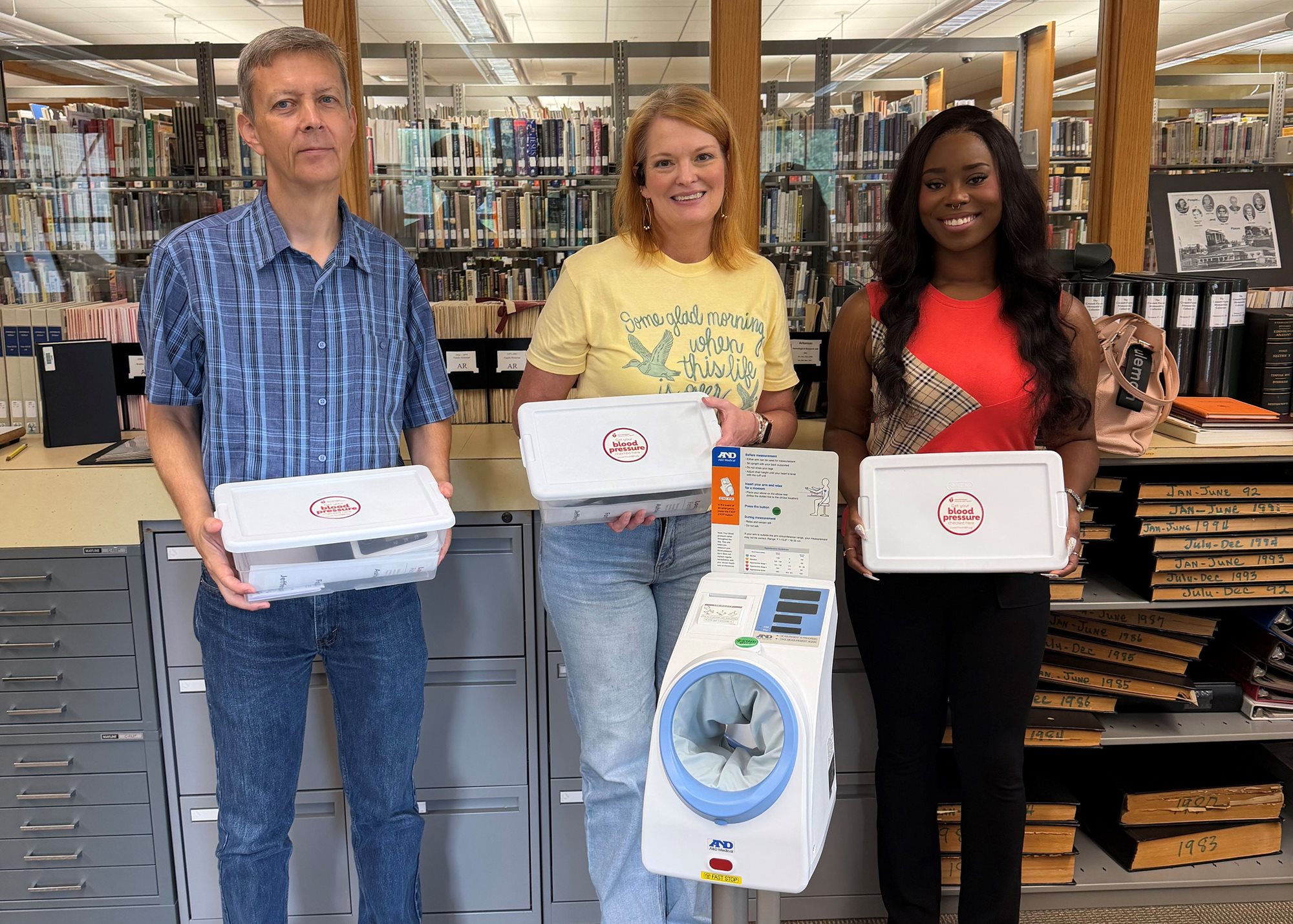
Participating libraries may offer blood pressure monitoring stations, tabletop monitors, or kits that patrons can check out and use at home, much like other library materials. Kits include a blood pressure monitor with cuff, instructions, and materials to help people understand their numbers. In some communities, resources are available in multiple languages to better serve residents.
Libraries with Heart supports doctors, clinics, or pharmacies – it doesn’t replace them. Someone might check their blood pressure during a library visit, borrow a kit to monitor changes over time, or bring a completed log to an appointment. For those who have not checked their blood pressure in years, the library can make that first step more approachable.
That accessibility makes libraries natural collaborators in rural and tribal areas, where they may be among the few public places residents regularly visit for information and local resources. A patron can also learn about nearby clinics, federally qualified health centers, or other care options. “Libraries with Heart helps turn trusted community spaces into practical entry points for better health, making prevention education easier to find and use,” says Jessica Donze Black, national senior vice president, community health for the American Heart Association.
Local collaboration, local solutions
Across the country, Libraries with Heart shows how local collaboration can shape the same idea for different communities. In Central Florida, cardholders in several counties can check out blood pressure monitoring kits, access health education, and receive referrals to care. In Jefferson Parish, La., community connectors have established Libraries with Heart initiatives in all 17 library locations across the parish. In Southeast Arkansas, the initiative brought blood pressure monitoring stations to multiple library locations in rural communities.
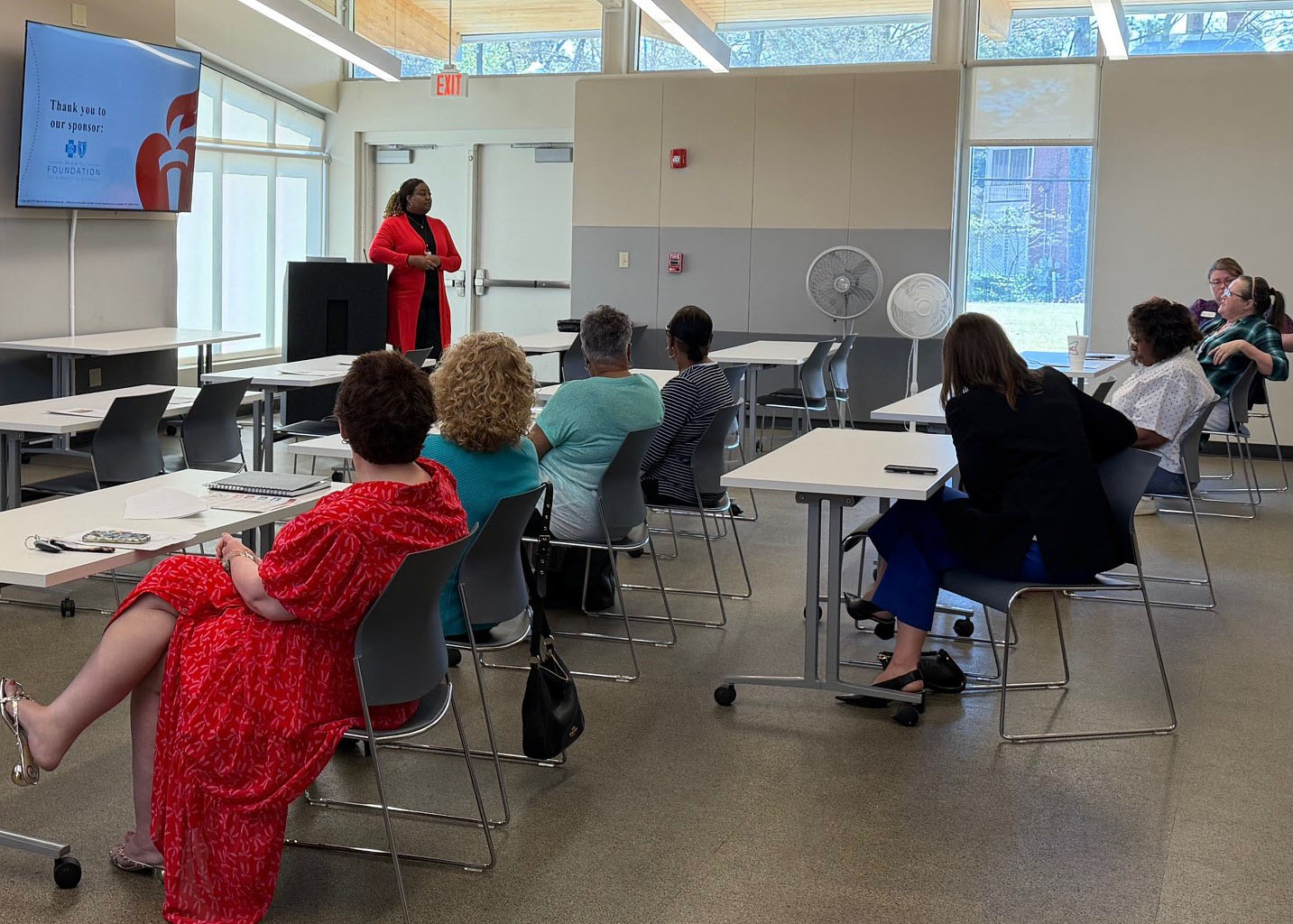
While some libraries focus on checkout monitoring devices, others offer in-library monitoring stations and education sessions. Programs can pair self-monitoring and education with referral pathways that help residents connect with health care when needed. Programs are most effective when they build on local relationships and leadership, reflecting the community-driven problem-solving rural health professionals practice every day.
Health support beyond the exam room
Libraries with Heart also reflects a broader way to think about health. Heart disease and stroke prevention happens where people live, learn, and gather. When trusted local spaces make healthy steps feel possible and national organizations support local leadership, communities can turn practical resources into meaningful action.
Small actions such as checking blood pressure during a library visit or borrowing a monitor for a few weeks can help someone better understand their health. A tracking log of readings can help a health care professional see patterns. A printed resource can help a family member learn why blood pressure control matters. A referral sheet can point someone toward care they did not know was available.
As the initiative grows, local networks will too. People can confidently use the tools thanks to clear instructions, culturally relevant education, multilingual materials, referral pathways, and collaborations that respect knowledge and leadership in rural and tribal communities.
To learn more about Libraries with Heart and the American Heart Association’s rural health work, visit heart.org/ruralatheart.
NRHA adapted the above piece from the American Heart Association, a trusted programmatic partner of NRHA, for publication within the Association’s Rural Health Voices blog.