
Search and rescue: How rural pushes the limits of emergency response
Stillwater, Montana, is 100 percent rural. From the Beartooth Mountains in the south up to the rolling plains of the north, the area is wild, untamed land. Our residents and visitors alike enjoy the beauty of the wilderness, but it can make emergency response challenging.
I know this firsthand as the Emergency Services Chief for Stillwater County, Montana. My team provides coordination, command, and control during large-scale emergencies and county-wide disasters. We work with the local Sheriff’s office, fire department, EMS workers, and other first responders and officials to keep the community safe.
When you’re responding to an emergency, like our department does, being able to communicate from anywhere is critical to saving lives. But rural lands mean less cellular infrastructure and coverage gaps. Sometimes, broadband networks aren’t available at all.
A lack of coverage can cost first responders precious time during emergencies.
On August 22, 2025, two individuals were hiking in the Absaroka-Beartooth Wilderness in south Stillwater County. Even though both men were experienced hikers, they got lost on the many trails along the Beartooth Plateau after dark. Then they got separated. With no cell signal in the mountains, neither hiker was able to call for help.
When one of the hikers found his way out the next day, he contacted emergency services. This delay meant the second hiker was lost in the wilderness for a full day before our team, the Department of Emergency Services and the Sheriff’s Office, even received a missing person report. It wasn’t until the evening of August 23 that we officially began a search-and-rescue mission.
Search and rescue in rural America can be especially challenging. In many operations, the teams need to communicate across large distances, maintain situational awareness as a unit, and send emergency alerts and notifications as quickly as possible. Even with a variety of tools and platforms to communicate emergencies and inform the relevant parties, these resources are not useful without a connection. Solving this problem quickly became a priority for our department.
For us, the best service came from whoever offered the best coverage in this area. That turned out to be FirstNet, a dedicated first responder network that has significant coverage in rural America, including Stillwater County.
With this network, we’ve been able to increase the functionality of our radio system. We’re better integrated with the Sheriff’s office. I can send dispatches from my laptop or radio to the field. We can communicate reliably, bring service where we need it, and coordinate with other agencies. We relied on all those capabilities to find our hiker lost in the Beartooth wilderness.
When we launched our search and rescue mission, we called in resources from all over the region. Seven counties lent manpower to the search, along with the Montana Army National Guard, U.S. Forest Service, and U.S. Air Force. With that many teams working together, it was a massive, complicated project that required lots of coordination and seamless communication to pull it off.
With FirstNet, we were able to set up a command post in the mountains. From there, we used a mobile gateway and satellites to connect all our devices to the network. It meant we could access mapping resources and coordinate a search-and-rescue plan with leaders from other agencies, all while maintaining situational awareness. First responders on the scene who were not on FirstNet were able to get signal through our network and maintain a connection with the command post.
It worked. Around 11 p.m. on August 25, an Air Force helicopter with an infrared camera found the hiker’s heat signature seven miles from Beartooth Plateau. A medic provided immediate care, and around 10:30 the next morning the situation was resolved.
Having a reliable, constantc,connection and the technologies to support the mission in the mountains made an immense difference. Coordinating with the other agencies wouldn’t have been possible without an interoperable broadband network.
Stillwater County has been proactive about finding solutions to our communications challenges. I think other rural counties should do the same. And they should look at what tools their neighbors are using and make sure their solutions work together.
We needed to be able to communicate with at least 10 other agencies to save the hiker in Beartooth, and we’ll need to work with other agencies again in the future.
Our residents live on the frontier of the wilderness. They know there’s danger to that, and they take the necessary precautions to stay safe. Municipalities owe it to our residents to go further to find solutions to these challenges. The solutions are out there; it’s time to make implementing them a priority.
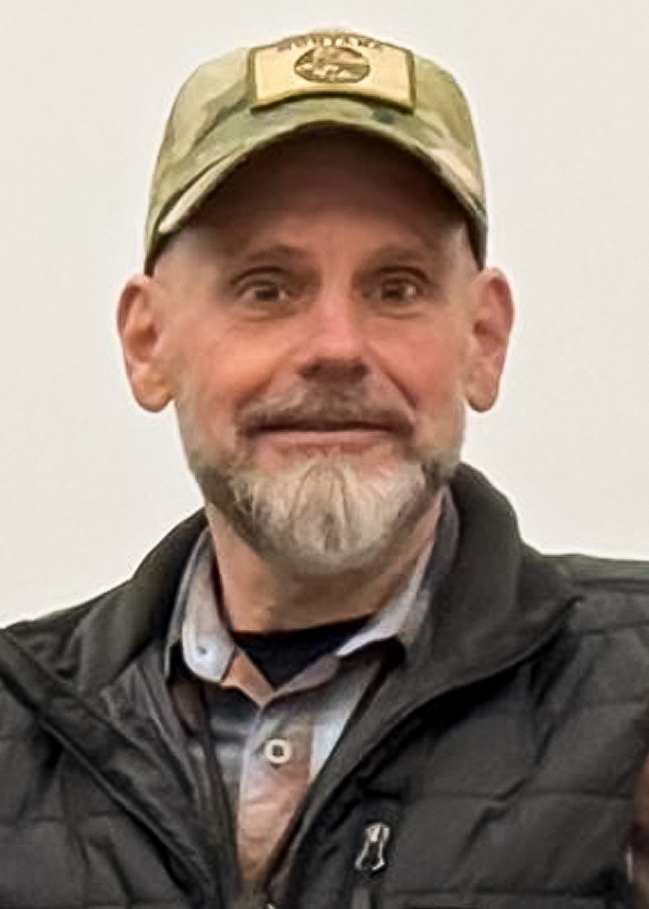 | David Stamey serves as chief of emergency services for Stillwater County, Mont., and vice-chair of the International Association of Emergency Managers Governmental Affairs Committee. As a member of IAEM, he is supporting the association’s efforts to get Congress to reauthorize the First Responder Network Authority, which is the federal agency that oversees the public safety broadband network. |