3 places where rural hospital revenue quietly disappears
Most rural hospitals treat unpaid self-pay balances as a cost of serving their community. Many of those balances are not losses at all – they are funding, coverage, or income that nobody went looking for.
That was the message Vector Health co-founders Annie Klomhaus and Braden Fineberg shared in their recent presentation in NRHA’s Rural Health Executive Educational Series. They walked rural and critical access hospital leaders through three places revenue goes unrecovered, real results from CAHs in Texas, Alabama, Nevada, and Oklahoma, and a simple framework to estimate what hospitals may be missing.
Leak #1: Nonprofit funding nobody applied for
More than $10 billion in nonprofit copay and premium assistance funding is available every year, and much of it goes unclaimed. The money is spread across thousands of separate foundations, including PAN, PAF, and HealthWell. Funding windows can open and close within hours on a first-come, first-served basis.
A single manual application can take 30 to 90 minutes of staff time, with multi-step forms that span billing, pharmacy, and patient coordination. Most hospitals write off the balance rather than chase the process.
Automated screening changes the math. It checks every self-pay and balance-after-insurance account against more than 2,000 nonprofit programs. When there is a match, the balance is applied for, funded, and reconciled without staff time.
Monroe County Hospital in Monroeville, Ala., serves a community where many patients are uninsured or underinsured. With an average funded account of $411.85, the hospital reached a $128,755 annual run rate – revenue that did not exist before, with zero additional staff.
Frio Regional Hospital in Dilley, Texas, is a 25-bed CAH carrying $4 million a year in patient balances. Its average funded account is $483, for a $60,000 annual run rate. In one case, an uninsured patient was matched to $1,950 in premium payments, restoring coverage before three scheduled surgeries.
Leak #2: Insurance coverage nobody found
If a patient says they are uninsured, the front desk may register them as self-pay. But that patient may have active out-of-state Medicaid coverage nobody checked, so the account heads to collections instead of a payer.
Real-time eligibility checks against more than 1,800 payers to catch this at intake, before the account is ever coded self-pay. Across a network of more than 50 hospitals, the monthly average looks like this: 110 cases reviewed, 29 found to have coverage (a 26 percent hit rate), and $35,000 in balances shifted to insurance, or about $425,000 annualized.
Muleshoe Area Medical Center in Texas ran 1,515 patients through discovery in one month. Of these patients, 169 had no insurance on file but active coverage was found, and 349 had coverage confirmed before billing. The result: $483,262 shifted to insurance against a $2,272.50 invoice, a 200x return.
"We're catching coverage we previously missed and saving staff significant time on manual verification," says Dennis Fleenor, Muleshoe Area Medical Center CEO.
Evergreen Medical Center in Alabama ran 198 patients through discovery in one month. Forty-two had no insurance on file but active coverage was found, and 13 had coverage confirmed before billing. That shifted $42,125 to insurance billing, a potential 70x+ return.
"[This program] feels … more like an extension of our team, turning unpaid balances into recovered revenue with no lift from our team," says Tom McLendon, Evergreen Medical Center administrator/CEO.
Leak #3: Federal disability income nobody screened for
Many of a hospital's most vulnerable patients qualify for Social Security Disability Income and do not know it. A qualifying patient can have $2,000 to $3,000 a month in federal income restored. Once enrolled, patients track to Medicare within 24 months, improving the hospital's payer mix over time.
Why it matters to patients
Recovered revenue is not only a balance sheet story. Two patients put it plainly:
"One-hundred dollars was the difference between eating that month and paying my medical bill. I really don't know what I would have done," says a patient in Monroe, Ala.
"Three surgeries were coming up and I was honestly scared. [The program] helped pay my ER copay and got my coverage turned back on,” says another patient in Dilley, Texas.
Questions worth asking your team this month
To address these three leaks, start with these questions for your revenue cycle team:
- What happens to self-pay balances after 90, 120, and 180 days at our hospital?
- What percentage of our write-offs were ever reviewed for outside funding?
- Has anyone calculated what percentage of our self-pay accounts turn out to have findable coverage?
- Who owns nonprofit fund applications today, and how much staff time does that take each month?
- What is our unbilled-days and AR-days baseline right now, before adding any new revenue program?
The takeaway: see it in your own data
Nonprofit funding, insurance coverage, and federal disability income are not always losses. Often they are just unfound. Peer CAHs in four states recovered five and six figures a year without adding staff.
The fastest next step is looking at your own self-pay data from the last 90 days. As one Rural Hospital Group partner put it: "See it in your own data first. That's what actually changes a CFO's mind."
NRHA adapted the above piece from Vector Health, a trusted NRHA partner, for publication within the Association’s Rural Health Voices blog.
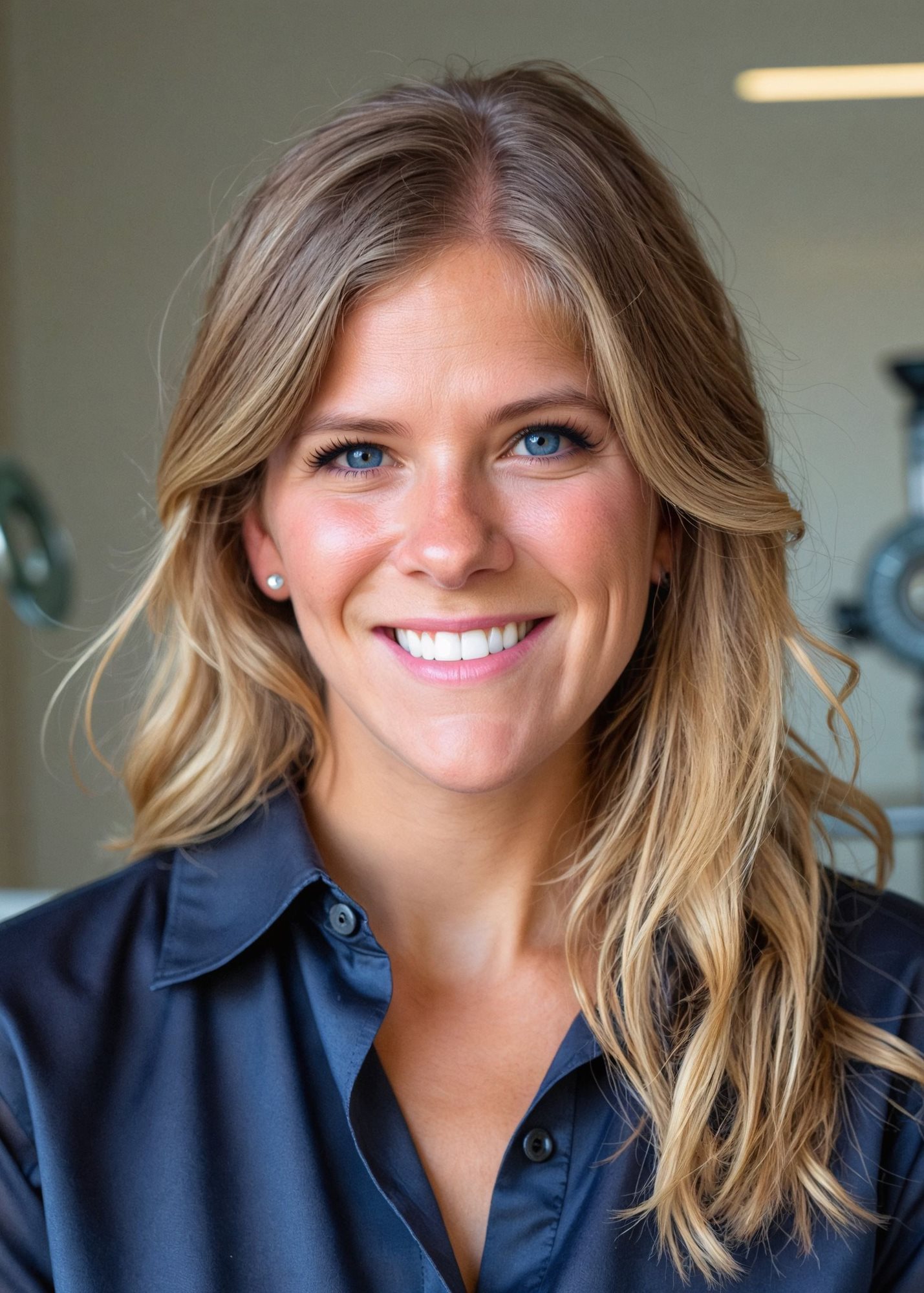 | Annie Klomhaus is co-founder and CEO of Vector Health, an automated financial assistance platform built for critical access and rural community hospitals. Vector partners with 34 rural hospitals across 11 states — including Texas, Alabama, Nevada, and Oklahoma — to recover self-pay revenue through nonprofit fund matching, insurance discovery, and SSDI enrollment, at no upfront cost and no added work for hospital staff. |