
Mission or model: Lessons from one rural hospital’s fight to survive
For a struggling rural hospital, there comes a point when incremental improvement is no longer enough.
For East Adams Rural Healthcare, that moment arrived in 2025.
When I joined the organization, the hospital was essentially insolvent. We had zero days cash on hand, years of financial losses, significant debt, and financial information we could not fully rely on. We were not talking about improving margins. We were talking about whether our community would continue to have a hospital.
There was no single decision that would fix it. And there was no way to preserve everything we had always done. What ultimately helped us find a path forward was getting very clear about one question: What does our community need us to protect most?
Start by telling the truth — and listening
Our leadership team could have made those decisions behind closed doors. Instead, we went to the community.
At the first community meeting, we laid out the reality of the situation: the financial position, the options, the possibility that the hospital might not survive.
We told them the truth: We had zero days cash on hand.
Then we came back and listened.
We asked our community what mattered most because we knew we could no longer provide everything. Their answer was clear: emergency care.
East Adams serves a rural area more than 50 miles from tertiary care. Ground transport takes time, and snow, wind, smoke, and fog can make air transport unavailable. People in our community understood exactly what that meant.
They told us they needed a chance to live.
That became our priority.
Protecting the mission may mean changing the model
Once we understood what our community most needed us to protect, we could begin making difficult decisions about everything else.
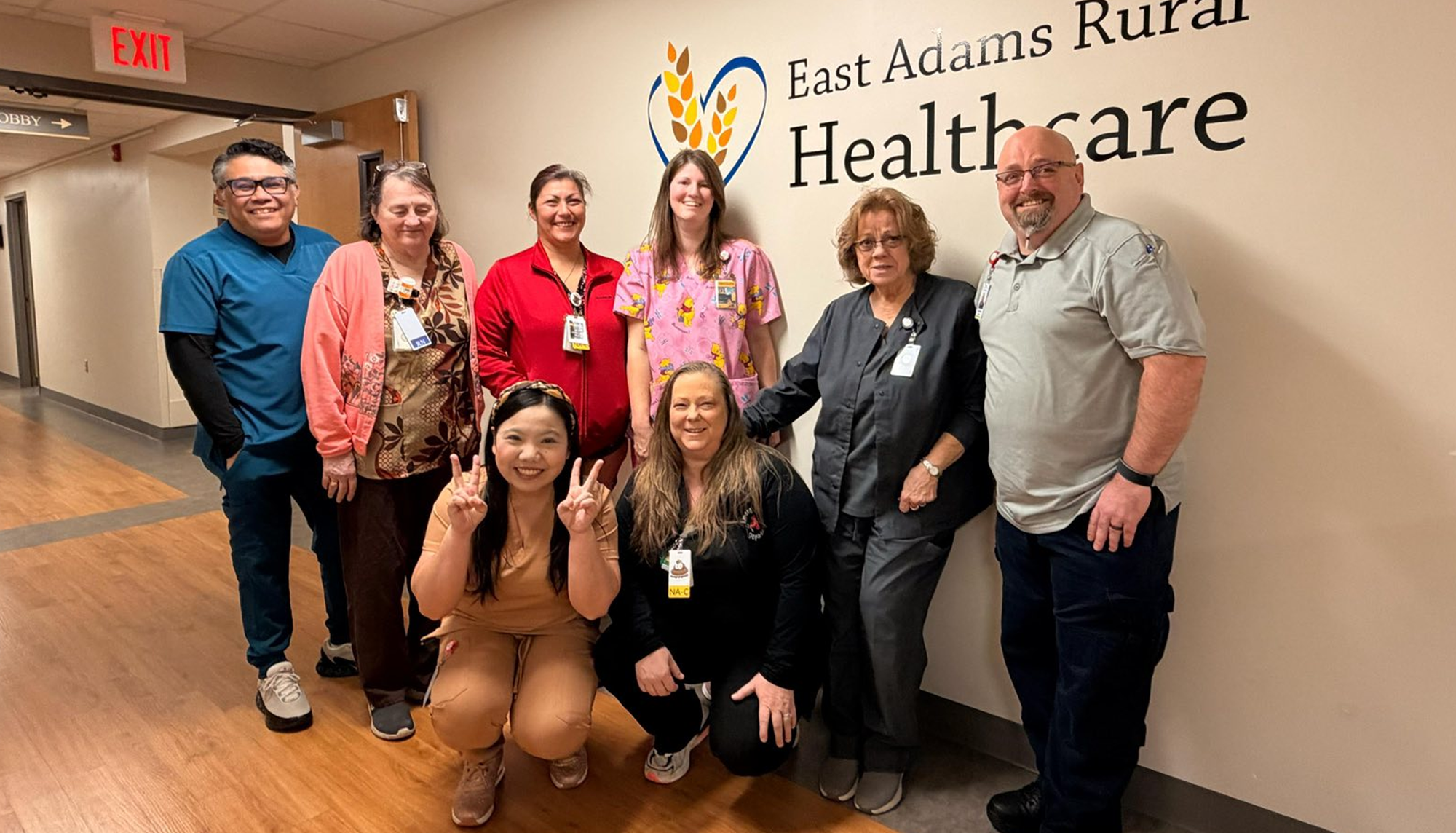
East Adams ultimately transitioned from a critical access hospital to a rural emergency hospital. We reduced our workforce from 124 employees to approximately 70. We changed our provider model, reworked services and operations, and looked closely at what we could realistically sustain ourselves and what might be better supported another way.
None of those decisions were easy. Behind every staffing or service decision were people, families, and a community that had depended on the hospital for generations.
But rural leaders facing similar pressures may need to ask themselves the same difficult question we did: Are we protecting the mission, or are we protecting the model? Those are not always the same thing. Sometimes changing how we deliver health care is necessary to keep health care in the community.
You don’t have to build every capability yourself
Another lesson from our experience was learning to be realistic about what a small rural organization can and cannot sustain internally.
My advice to other rural leaders is simple: Do what you can do really well, and don’t try to do everything.
That may mean bringing in expertise where it makes sense. For East Adams, that thinking has applied across the organization, from provider coverage and revenue cycle to workforce. Outside expertise should not automatically be viewed as a weakness or temporary failure. In the right places, it can be part of a sustainable operating model.
Small rural hospitals often cannot maintain the same staffing infrastructure as large health systems. We need a thoughtful blend of local clinicians and external talent based on what each resource needs to accomplish.
Sometimes the need is flexibility. Sometimes it is additional capacity. And sometimes it is experience that is difficult to maintain in a small clinical team.
Rural doesn’t mean lower clinical risk
This may be one of the most important workforce lessons we have learned. A rural hospital may see fewer patients, but that does not mean every patient who walks through the door will have a lower level of acuity.
A critically ill infant can arrive. A mother can arrive hemorrhaging. A serious trauma can occur miles from the nearest tertiary center.
Until transfer is possible, the team in that rural hospital has to respond.
That changes how I think about workforce. It is not enough to ask whether we have enough people on the schedule. We also have to ask whether we have enough experience in the building when something happens that our team may rarely see.
At East Adams, international clinicians recruited and supported through Health Carousel’s temp-to-perm model have been one source of that experience. Health Carousel manages the immigration, credentialing, and transition process while supporting clinicians through multi-year assignments and potential conversion to the permanent team.
Some arrived with years of clinical experience and leadership developed in health care settings outside the U.S. They could bring that experience to the bedside and share knowledge with other members of the team. In a rural environment where extensive continuing education and exposure to complex cases can be harder to access, that knowledge transfer matters.
Experienced clinicians don’t just fill a temporary gap. When they choose to stay, their experience becomes part of the team. It is not about replacing local clinicians. It is about building the right mix of skills and experience around them.
Build around the need, not a single workforce model
Local staff provide continuity and connection to the community. Travel clinicians can provide flexibility and specialized expertise when needed. Experienced international clinicians can add clinical depth and leadership, greater cost predictability, and longer-term stability.
For a small rural hospital, that predictability has real value. Employee benefit costs at East Adams increased 10 percent one year and another 12.5 percent the next. When a relatively small change in expenses can have an outsized effect on the budget, having some workforce costs that can be planned over a longer period can provide stability.
Longer-term workforce stability matters, too. During the most uncertain period of our turnaround, knowing that experienced international clinicians wanted to remain at East Adams gave us something important to build around. As we evaluated who would be part of the organization moving forward, we needed both expertise and people committed to staying.
The question for rural leaders should not be which workforce model is best but rather what the organization needs their workforce to do. The answer will be different for every hospital.
The model changed — the mission didn’t
East Adams has moved from zero days cash on hand to more than 30. Our EMS operation is stable, with two fully staffed crews available around the clock and a paramedic responding on every call. Most importantly, we have built a model designed to preserve emergency access for the community we serve.
We still have work to do. But if there is one lesson I would offer another rural CEO or CFO, it is this: Don’t wait.
Pay attention to the warning signs. Tell people the truth. Listen to your community. Make the hard decisions while you still have choices. Be clear about what your organization does well and be willing to ask for help with what it cannot sustainably do alone.
Sustainability did not come from one decision at East Adams. It came from a series of difficult choices about what to protect, what to change, and where we needed others to help.
NRHA adapted the above piece from Health Carousel, a trusted NRHA partner, for publication within the Association’s Rural Health Voices blog.
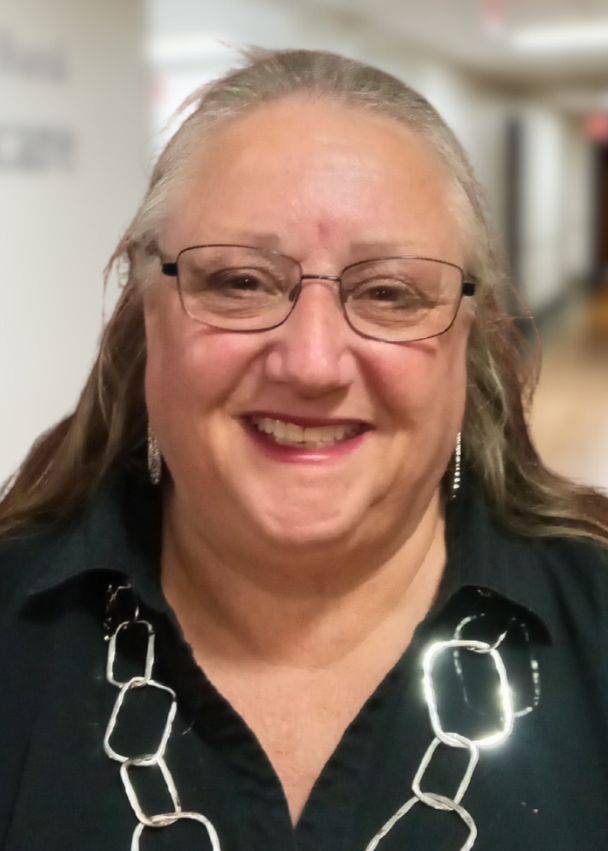 | Viola Babcock is CFO of East Adams Rural Healthcare and has more than 40 years of professional experience, including more than 20 years in health care. She played a key leadership role in East Adams’ financial and operational turnaround and its transition to a rural emergency hospital. |