
What rural health care providers need to know about multiple sclerosis
Multiple sclerosis (MS) is a complex neurological disease that affects nearly one million people in the United States. In rural areas, recognizing and managing MS can be challenging due to factors such as health care workforce shortages and lack of proximity to MS specialists. Despite these challenges, rural health professionals play a critical role in early recognition and improving health outcomes for patients living with MS.
In this article, Dr. Bryan Delage, a family practice physician in Minnesota and co-director of the University of North Dakota ‘s Family Medicine Clerkship and Rural Opportunities in Medical Education program, answers six key questions about MS.
Practicing in a rural community for 33 years, Delage understands firsthand the realities of caring for patients where an MS specialist may be hours away. His perspective offers practical guidance for rural clinicians on how to spot early signs of MS, support patients through diagnosis, and connect them with resources that can bridge gaps in care.
1. We know many people living with multiple sclerosis experience symptoms for years before being diagnosed. What are some challenges for rural health providers in recognizing MS?
Many patients have a tough time describing the symptoms of MS, like spasticity or gait disturbance. We tend to think some signs of MS are attributable to more common conditions because there is a lot of overlap with symptoms such as blurred vision, depression, anxiety, fatigue, or limb or torso sensory impairment, weakness, burning, tingling, or numbness.
For people with relapsing-remitting MS, which is the most common form, symptoms can get better and then worse again – or their initial symptoms may get better, but then they develop other symptoms. It’s like the electrical system in a car – when the left blinker starts flashing intermittently, it can be hard to pinpoint the problem. If the bulb is out, this is a simple fix – but if you’ve exhausted more obvious issues and you’re not sure what to do next, don’t wait too long to consider MS in your differential.
2. Why is it important to recognize early signs of MS and move patients through diagnosis as quickly as possible?
Prognosis for someone with MS is much better today than it was in the past, with many medications now available. We want to find people with MS quickly so we can decrease the number of episodes and prevent neurologic loss, which can cause permanent and irreversible disability.
3. What should rural health professionals do if they suspect a patient might have MS?
Caring for people with MS has become very specialized so it can be hard for primary care to initiate therapy. Once you have a high index of suspicion of MS, it’s critical to refer patients to an MS specialist as quickly as possible.
Many neurologists won’t accept a referral unless your patient has an MRI of the brain (with and without contrast). Luckily, in many rural areas we’re getting better health infrastructure over time – I now have an MRI scanner 12 miles away. The challenge is convincing insurance companies to cover the scan. It is critical to describe the neurological deficit and record enough of the “red flag” symptoms with a high enough level of suspicion to justify the scan. Once a scan comes back indicative of MS, you need to expedite contact with the neurologist.
4. What should rural health professionals do if MS specialists have long wait times?
After recognizing the symptoms of MS, getting a scan, and referring to a specialist, an important role for primary care is identifying ways to connect to the specialist if the wait times are too long. We need to advocate for our patients and expedite getting them to the right provider.
Once you’ve told the patient this looks like MS, their whole life will be changed. We see patients who experience many months of difficulty – they might not have a diagnosis yet but are having a tough time at work, experiencing anxiety and depression, and sometimes even leaving their jobs. But with the therapies on the market today, we can change the course of their disease. If we can shorten the interval between diagnosis and treatment as much as possible, that’s a big sign of success.
5. What else should rural providers consider when caring for a patient with MS?
Sometimes I may be concerned that patients with MS are having an exacerbation, but I am not sure what next steps to take. As a primary care provider seeing a patient with new symptoms, I wonder if a good physical exam is enough to decide whether to treat a relapse, whether the patient should change medication, or what else I should consider.
Primary care practitioners need help bridging that gap in knowledge. We need to take a team approach to support people with MS in rural areas. The patient-centered medical home is a great model, but it’s critical to get the MS specialist on board as part of that team.
One challenge for rural practices is that specialty care is often in the big cities, and providers tend to move around a lot. We can see communication breakdowns. In a small town it can be hard to stay connected to specialists, but I send messages to specialists through the EHR and try to coordinate on behalf of the patient. Relationships matter, and it’s important to build that network with neurologists and find those who care and will go the extra mile to build networks. The best thing I ever did in my practice was build teams.
6. What resources are available to support?
With patient programs and support, health care provider resources, and more, the National MS Society can be part of the team to help your patients with MS.
In rural areas, local health care providers are often the first — and sometimes the only — place where residents seek diagnosis and care for MS.
The National MS Society has a variety of free resources available for rural health care professionals, such as the latest information on how to diagnose, manage, and treat MS as well as professional education CE/CMEs, clinical practice tools, and health care appeals toolkits.
NRHA adapted the above piece from The National MS Society, a trusted NRHA partner, for publication within the Association’s Rural Health Voices blog.
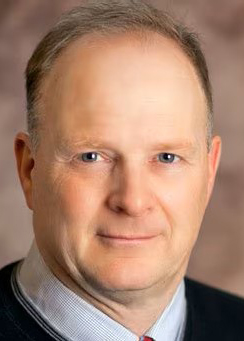 | Bryan Delage, MD, is a family practice physician in Minnesota and co-director of the University of North Dakota’s Family Medicine Clerkship and Rural Opportunities in Medical Education (ROME) program. He has practiced family medicine in a rural community for 33 years. |