
How rural nurse residency programs strengthen connection
When a nurse resident shared with Iowa Online Nurse Residency Coordinator Jess Ociepka MSN, RN, that she felt isolated and unsupported on her unit, it wasn’t a one-time conversation. Over several check-ins, Ociepka became a stabilizing force as the nurse worked through what she needed to feel supported again. After several conversations, a bit of time off, and some reflection, the resident determined it wasn’t the profession or the organization that was the issue – she just needed a different specialty that fit her strengths. For Ociepka, this experience reflects a common role for nurse residency coordinators: being present and supporting new graduates as they find their footing and determine where they belong.
Earlier this year, Johnson & Johnson featured the Iowa Online Nurse Residency Program in an article on how it builds community for nurses, particularly those practicing in rural and underserved settings. That conversation highlighted something we underestimate in workforce conversations: the importance of connection, community, and belonging at work. Loneliness is increasingly recognized as a public health concern.
That reality does not stop when someone clocks in for a shift. When nurses do not feel connected to peers, mentors, or a shared purpose, staying engaged becomes hard. Over time, disengagement contributes to burnout and turnover, especially during periods of transition when confidence and professional identity are still forming.
In many rural hospitals, a new graduate nurse may be the only one hired that year. Without a cohort or built‑in peer group, early career practice can feel isolating. New nurses are refining clinical and professional skills while simultaneously deciding whether they belong within the profession, the organization, and their unit. In these moments, connection and support become stabilizing.
For new nurses, the sense of isolation is real. “The most beneficial aspect for me was being able to connect with other new grads and know that others are experiencing the same things. It’s validating when you’re new,” says Marianna Helgeson, a participant in the September 2024 cohort.
As the J & J article described, the Iowa Online Nurse Residency Program addresses this challenge by intentionally connecting nurses across hospitals rather than within a single organization. The program brings nurses together in a shared learning environment where they progress as a cohort even though they practice in different communities and health systems. This structure mirrors the peer support naturally present in larger organizations, something many rural hospitals cannot realistically offer on their own.
Through facilitated discussion, shared reflection, and consistent touchpoints over time, nurses develop relationships with peers who understand their realities. They normalize challenges, exchange strategies, and build confidence together during their transition to practice. Importantly, this sense of belonging extends beyond clinical competence. Nurses begin to see themselves as part of a broader professional community, rather than as isolated individuals navigating early practice alone.
That validation matters during early career transitions. “It was nice to hear that other people were having some of the same struggle that I was… Connecting with other new nurses reminded me I wasn’t alone,” says Jerrica Anderson from the April 2025 online cohort.
Instead of trying to create a full cohort experience with limited numbers and stretched resources, rural hospitals participate in a collaborative approach that strengthens their workforce while preserving local identity. Nurses remain in their home communities while feeling connected to something larger. This kind of social connectedness directly influences engagement, professional identity formation, and long‑term retention. When nurses feel seen, supported, and connected, especially during their first year of practice, they are more likely to stay and grow in the communities they serve.
As rural health organizations continue to navigate workforce shortages and retention pressures, online residency programs illustrate how scalable, partnership‑based solutions can address one of the most persistent challenges in rural health care: helping nurses feel that they belong, even when they may be practicing miles apart.
NRHA adapted the above piece from Iowa Online Nurse Residency Program, a trusted NRHA partner, for publication within the Association’s Rural Health Voices blog.
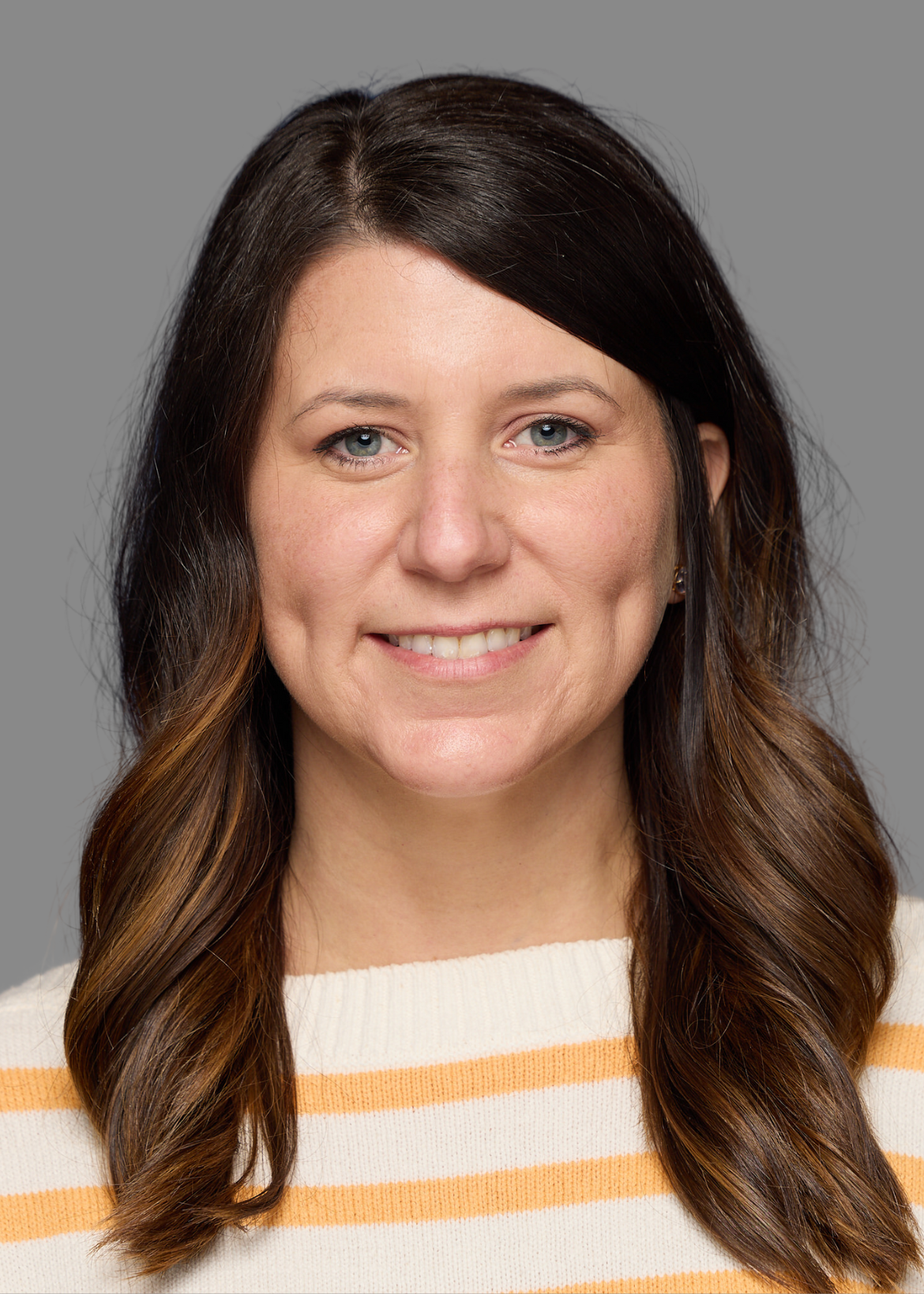 | Nicole Weathers, DNP, is the director of IONRP where she leads efforts to support new graduate nurses in rural and underserved communities through innovative, evidence-based transition-to-practice models. With a background in nursing professional development and a passion for rural health equity, Nicole collaborates across sectors to strengthen the nursing workforce and improve care delivery in resource-limited settings. |