
Moving beyond workforce recruitment to retention and sustainability
For years, the conversation in rural health care has centered on one word: recruitment.
How do we find physicians? How do we compete with urban systems? How do we fill the schedule next month?
Those are valid questions — but they’re no longer the right ones.
The rural hospitals that are stabilizing today and positioning themselves for the future have shifted their focus from recruitment to retention and sustainability. In reality, the most expensive physician is not the one you can’t recruit. It’s the one you recruit, lose, and have to replace… again.
In many rural markets — regardless of whether hospitals employ their clinicians directly, contract with outside groups, utilize independent providers, or rely on a combination of workforce models — the model itself requires thoughtful design to succeed long-term.
A model built for rural reality — if it’s supported correctly
There is no single staffing model that works for every rural hospital. Some hospitals rely primarily on locally employed physicians. Others use block scheduling, contracted providers, APPs, telemedicine, or combinations of these approaches.
Regardless of the model, rural clinicians often carry a significant level of responsibility. They admit, manage, and discharge patients. They work closely with nursing. They become a central point of coordination for care.
That level of continuity and responsibility can be a strength:
- Fewer handoffs
- Stronger patient ownership
- Better alignment with staff
But it also requires intentional operational support to be sustainable.
Retention is an operational strategy, not an HR initiative
Retention doesn’t break down because of recruiting gaps — it breaks down because of daily friction.
In rural practice, the small things become big things:
- Frequent overnight interruptions
- Lack of support during high-stress moments
- Inefficient workflows repeated day after day
- Feeling isolated in decision-making
These are operational issues. If we want clinicians to return month after month, year after year, we have to design an environment where they can succeed within the realities of rural care.
The hidden load: constant responsibility
Rural hospitals are often labeled “low volume,” but that misses the true burden.
A rural provider may see fewer patients than a counterpart at a larger hospital while carrying broader responsibility for those patients. Specialty resources may be limited, staffing may be lean, and there may not be another physician immediately available when an unexpected situation develops.
For providers working extended shifts or consecutive days, there is another factor to consider: they are never fully off. Even on a “quiet” night, they are responsible. Over time, that sustained vigilance becomes a primary driver of fatigue.
That’s why support systems — both clinical and operational — are critical.
Building real support into a provider model
Even in hospitals with limited on-site coverage, support doesn’t have to be limited.
Hospitals can have a meaningful impact by layering in additional resources where they are needed most.
Specialty access
Access to specialty expertise — whether in person, through regional relationships, or through telemedicine — creates a stronger clinical safety net. It reduces the on-site provider’s cognitive burden and improves confidence in managing complex patients locally.
Overnight support, where appropriate
In busier settings or staffing models that involve extended coverage, adding overnight clinical support can be a game changer, allowing providers to get meaningful rest while maintaining patient safety and responsiveness.
Clinical leadership and peer support
Clinicians also need access to experienced clinical leadership and colleagues. While those resources may not be involved in direct patient care during a shift, they provide something just as important: accessibility. A sounding board. A second opinion. A resource when a provider needs to talk through a situation.
That layer of support helps reduce the sense of isolation that can come with rural practice.
Small operational changes that make a big difference
In rural practice, workflow design — especially overnight — can have an outsized impact on sustainability.
Some of the most effective practices are relatively simple.
1. Improve overnight admission workflows
When emergency departments can place appropriate initial or “bridge” orders to move patients to med-surg overnight, it can allow the inpatient provider to address the admission more efficiently rather than being repeatedly interrupted for incremental steps.
The exact process will vary by hospital, staffing model, medical staff rules, and scope of practice, but the principle is the same: eliminate unnecessary steps while maintaining appropriate clinical oversight.
2. Batch nursing communication overnight
When clinically appropriate, grouping non-urgent calls reduces unnecessary interruptions and allows for longer stretches of rest. For providers working extended shifts or consecutive days, that matters.
3. Reduce friction in the basics
Streamlined order sets, clear protocols, and strong communication pathways reduce cumulative fatigue. What feels minor in isolation becomes meaningful when repeated dozens of times over consecutive days.
None of these require major investment, but they can significantly improve the provider experience.
Integration: from coverage to true partnership
One of the biggest differentiators between stable and unstable programs is how well clinicians are integrated into the hospital.
Even when providers are not employed directly by the hospital or do not live in the community full time, the most successful programs treat clinicians as part of the medical staff.
That includes:
- Participation in medical staff meetings and committees such as P&T, credentialing, and quality
- Inclusion in hospital communication and decision-making
- Open access to administrative leadership
- Clear expectations and shared accountability
When clinicians feel connected to the organization they invest differently. They take ownership. They stay.
Alignment is ongoing, not assumed
Hospitals and clinicians are both making meaningful commitments to rural health care.
Hospitals are investing in:
- Coverage stability
- Community access
- Financial sustainability
Clinicians are committing to:
- Broad clinical responsibility
- Extended or unconventional schedules
- Time away from home
- Practicing with fewer immediately available resources
The strongest partnerships recognize that alignment is built through communication, transparency, and mutual respect.
Retention is about respecting the model
Every rural workforce model has advantages and challenges. Whether a hospital relies on employed physicians, block scheduling, contracted clinicians, APPs, telemedicine, or some combination, the model only works long-term if it is supported intentionally:
- Clinically through access to specialty expertise, peer support, and clinical leadership
- Operationally through smart workflows and scheduling design
- Culturally through integration and partnership
There’s often limited surge support in rural environments. That makes it even more important to get the day-to-day model right.
Recruitment fills gaps. Retention builds stability.
For rural hospitals, the goal is to create an environment where clinicians don’t just show up for their next shift or rotation – they choose to come back.
That doesn’t happen by accident. It happens through thoughtful design, strong partnership, and a shared commitment to making rural medicine sustainable for the long term.
In the end, workforce stability isn’t just about coverage. It’s about creating a system that works for the clinician, the hospital, and the community that depends on both.
NRHA adapted the above piece from Rural Physicians Group, a trusted NRHA partner, for publication within the Association’s Rural Health Voices blog.
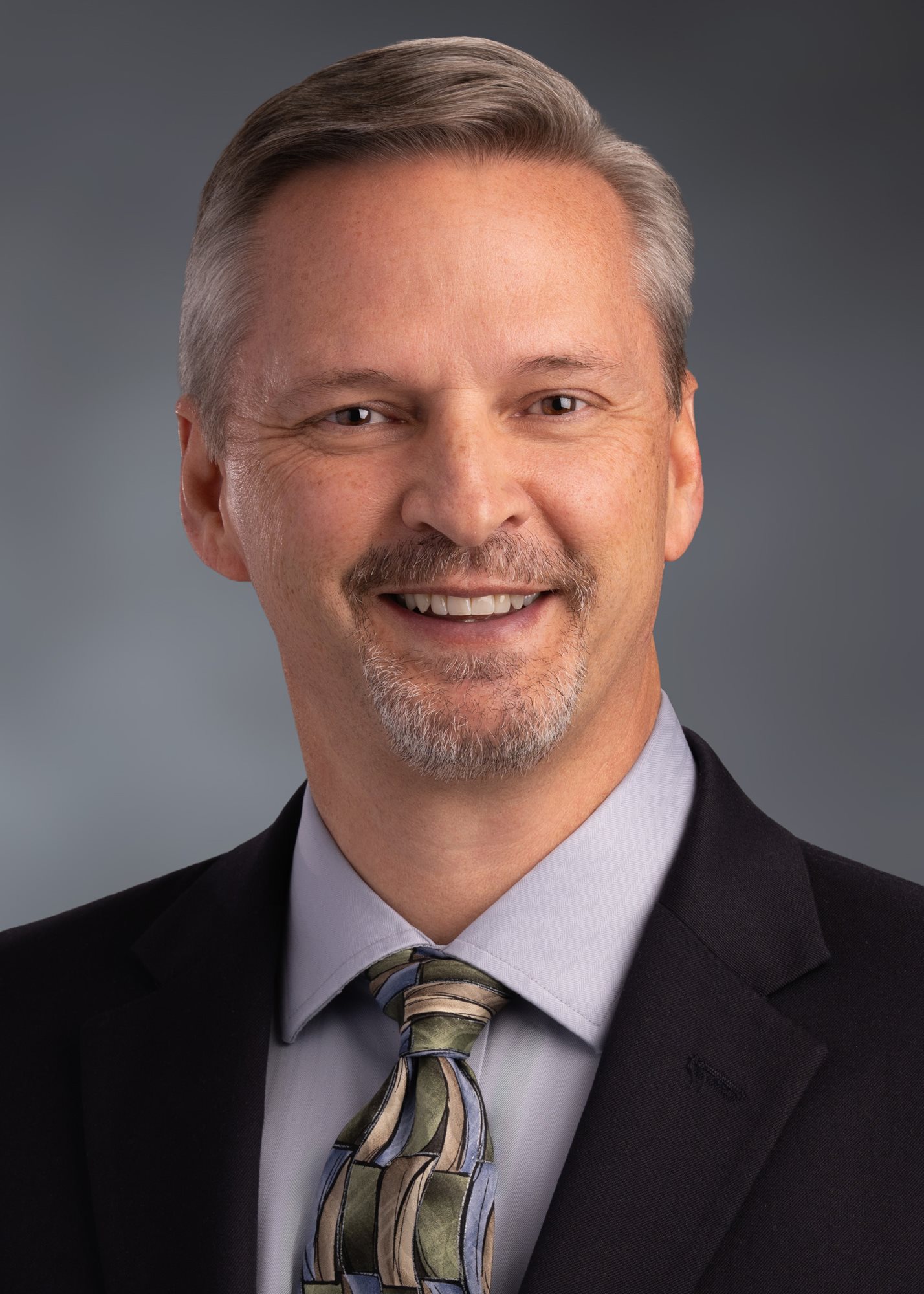 | Mike Patterson, FACHE, is the chief executive officer at Rural Physicians Group. He has three decades of business experience including being a staff accountant in the health insurance industry, chief financial officer of a small rural hospital, and chief executive officer in rural hospital settings. Most recently, Mike was a market president in Northwest Arizona and had responsibility over two rural hospitals. |