
Connecting to purpose: From burning out to speaking out
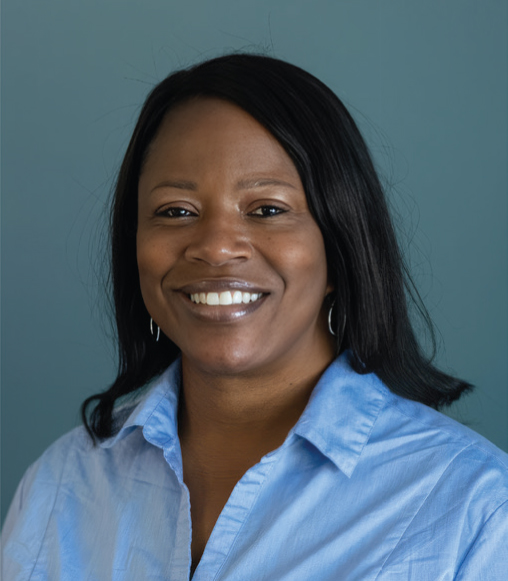 Pamela Buchanan, MDThe pandemic had been raging for several months when Pamela Buchanan, MD, knew something was wrong. Three times a week she drove from her home in St. Louis, Mo., to work at a rural hospital two hours away, and to get there she crossed a bridge over the Missouri River. One day the road was quiet, and she could see the water thrashing below. She had been working long shifts on little sleep. Losing patients every day to an unfamiliar virus. Isolating from her three kids to prevent infection. “I should just jump in,” she thought.
“I chalked it up to being delusional – maybe I just needed more sleep, or maybe I needed to take a few days off,” she says. “But it never went away. I was ashamed – I thought, what do I have to be depressed about? I’m a doctor with a good job and a family. Why do I feel this way?”
Fortunately, Buchanan took this moment as a wakeup call. Despite her commitment to her patients, despite the fact that she had always dreamed of being a doctor, she was suffering from burnout. She soon realized the sobering statistics: characterized by emotional detachment, chronic fatigue, and reduced personal and professional satisfaction, burnout can cause depersonalization, medical errors, and lower quality of care. It can also lead to depression and suicidality, with approximately one doctor per day dying from suicide in the United States.
"What do I have to be depressed about? I’m a doctor with a good job and a family. Why do I feel this way?" – Pamela Buchanan, MD |
For many health care professionals, the pandemic contributed to higher rates of burnout. With uncertainty and chaos becoming daily realities, doctors struggled to care for patients who were infected with a virus people knew little to nothing about. In Buchanan’s rural community, COVID-19 arrived slowly – “we started to think maybe it wouldn’t come to the heartland, maybe it wouldn’t come to our rural area,” she says. “But then it came like a ton of bricks.”
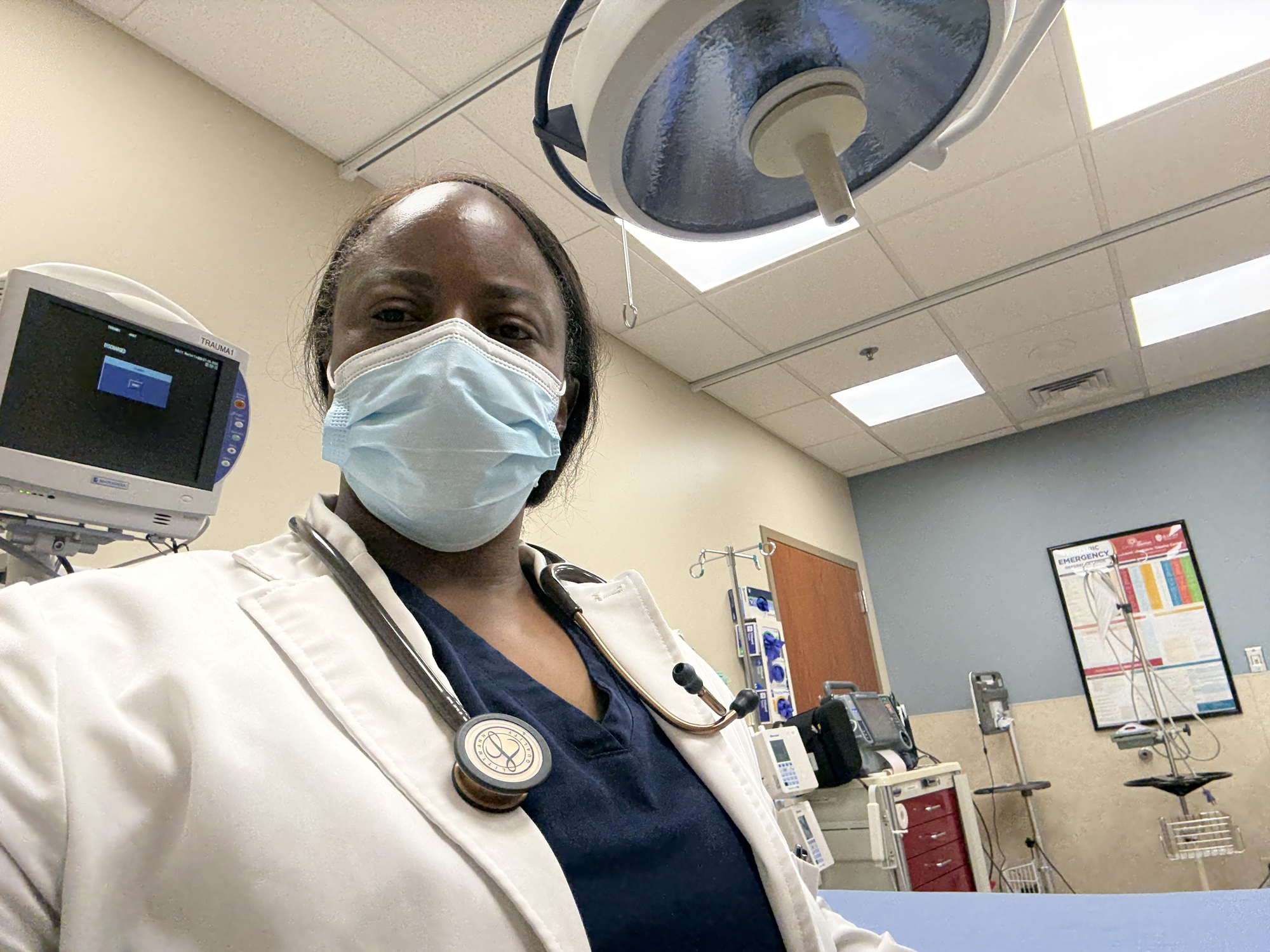
As more residents got sick, people started to pour into the ER. Many days Buchanan would arrive to discover she couldn’t find a parking spot, and she knew it was going to be a hard day. In the waiting room, people sat on the floor when there weren’t enough chairs. Every room was full, with hallways transformed into makeshift exam rooms. Often working 24-hour shifts, Buchanan found herself responding to life-or-death emergencies daily, often conducting triage on the spot.
"You wonder if you did everything you could have done, and you start questioning everything about yourself." – Pamela Buchanan, MD |
“I had many days with multiple emergencies happening, and I wondered which room I should go in,” she says. “You feel bad when you pick someone over someone else. Nothing was working back then – you’re used to someone dying every six months, but now some days two or three people would die. You wonder if you did everything you could have done, and you start questioning everything about yourself. I don’t think I took time to settle with it or grieve.”
At first Buchanan was afraid to seek help for her mental health struggles. If she admitted to experiencing depression and suicidality, she worried she would lose her medical license. As a single mom, she could not afford this risk. But one day she saw a news report about a doctor in New York who had died by suicide – “she said the pandemic got to her,” Buchanan says.
“That’s when I realized I’m not alone,” she adds. “There are other doctors out there just like me who are keeping quiet and don’t want to get help because they are afraid of losing their license or fear being weak. In residency we’re taught how to tough it out. You have 30-hour calls, and we’re taught to push through.”
"That’s when I realized I’m not alone. There are other doctors out there just like me who are keeping quiet." – Pamela Buchanan, MD |
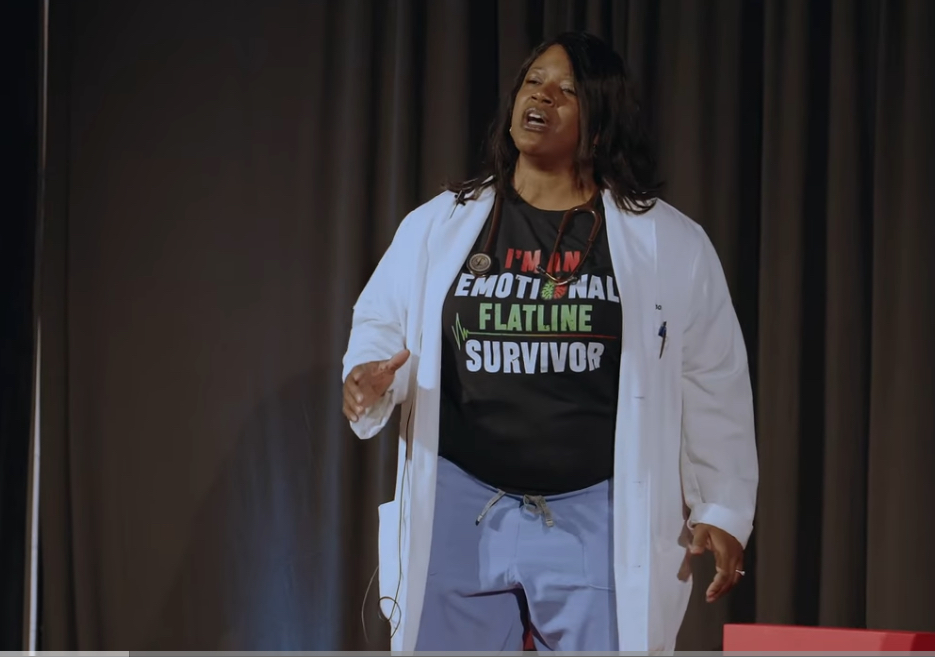
Realizing the extent of the problem gave Buchanan the courage she needed to share her story. Now she speaks regularly at health care conferences and other events, including NRHA’s Critical Access Hospital Conference last fall. Each time she talks publicly about burnout, she finds someone else who relates.
“It’s a systemic issue – our health care system needs to do better by doctors and nurses, and someone has to be bold enough to say it,” she says. “I’ve gone through it, and I realize how isolating it feels. Every time I’ve spoken at a conference about this, other doctors come up to me and say they appreciate how brave I was to say it because they’ve been feeling the same way. It’s a calling for me in my life to help doctors stay in practice without burnout.”
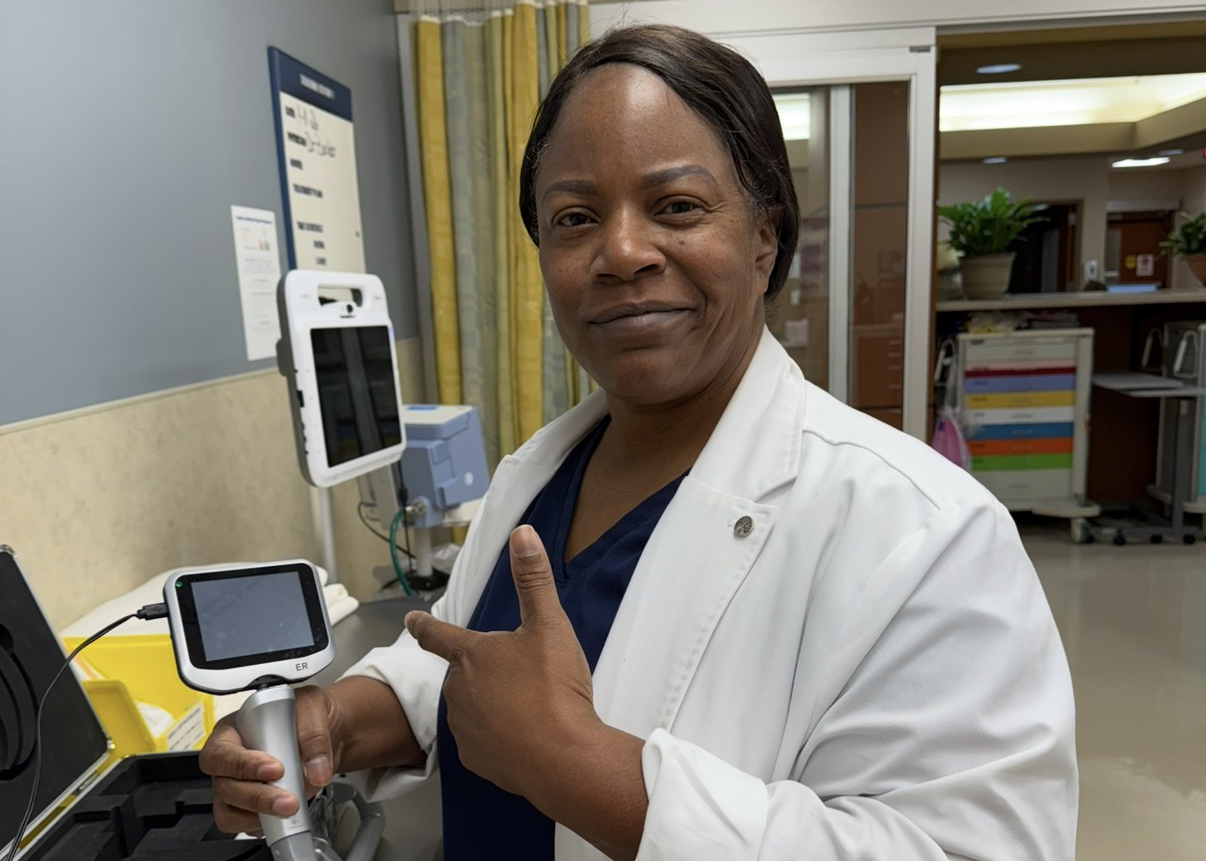
Going forward, Buchanan says medical schools need to incorporate physician wellness programs that teach physicians how to advocate for themselves and recognize signs of burnout, depression, and suicidality. She also prioritizes self-care, such as exercising, spending time with her family, going to therapy, and keeping preventative health care appointments. She encourages other health care workers to take care of themselves – and stay connected to what motivates them.
"It’s a systemic issue – our health care system needs to do better by doctors and nurses." – Pamela Buchanan, MD |
“Our health care workers are suffering,” she says. “I think it’s very important to connect with your purpose – the best of what you have to give to others. It helps you stay resilient. Helping young residents and doctors work on that is so important.”
Resuscitating the rural health care workforce
Across the country, physicians are at higher risk of burnout compared to other professions. A series of studies coauthored by researchers from the American Medical Association, Mayo Clinic, University of Colorado School of Medicine, and Stanford Medicine regularly measured physician burnout rates between 2011 and 2023 during a span of substantial disruption in the health care delivery system. The most recent study in this series found that 45.2 percent of physicians reported at least one symptom of burnout in 2023.
Also in 2023, NRHA released a policy brief on the topic, fi nding that building resiliency is key to retaining workers and reducing burnout in rural facilities. In addition to advocating for local and federal policies that support physicians and health care professionals, NRHA notes that hospital leaders can focus on reducing administrative burdens, implementing team-based models, improving equity, reducing discrimination in the workplace, and building relationships with the community.