
How rural hospitals are strengthening heart and stroke care
 Michele BollesIn rural health care, innovation rarely arrives packaged or polished. It’s born out of necessity — shaped by challenging transfers, lean teams, and health care professionals who must be ready for anything, often with limited backup. Yet across the country, rural hospitals are proving that high-quality cardiovascular and stroke care doesn’t depend on size or geography. It depends on connection.
That belief sits at the heart of the American Heart Association’s Rural Health Care Outcomes Accelerator, a national initiative designed to help rural hospitals strengthen evidence-based care for heart disease and stroke through collaboration, quality improvement, and peer learning. For participating hospitals, the Accelerator isn’t about adding another program to an already full plate; it’s about making what they’re already doing work better.
Built for rural realities
The Accelerator is designed to address a persistent challenge: while rural communities experience higher rates of cardiovascular disease and stroke, rural hospitals often face disproportionate barriers to implementing guideline-directed care. Staffing constraints, low patient volumes, and long distances to tertiary centers can make improvement efforts feel daunting — especially when quality programs were historically designed with large urban systems in mind.
Through the Accelerator, eligible rural hospitals receive three years of no-cost access to Get With The Guidelines programs for coronary artery disease, heart failure, and stroke tailored to prioritize rural care opportunities, along with direct support from American Heart Association rural quality improvement consultants.
"We co-create resources that reflect the realities of small teams, lean staffing, and long transfer times." – Michele Bolles |
Participants also join a national rural community network that connects inpatient and outpatient teams, creating space for shared learning rather than isolated problem solving.
“We don’t just hand hospitals a checklist,” says Michele Bolles, senior vice president for quality, outcomes research, and analytics at the American Heart Association. “We co-create resources that reflect the realities of small teams, lean staffing, and long transfer times.”
Peer learning that translates into practice
What distinguishes the Accelerator is its emphasis on peer learning collaboratives. These are quarterly virtual sessions where rural clinicians bring real cases, current data, and practical questions to the table. Since 2023, more than 6,000 health care professionals have participated in over 25 collaboratives focused on stroke, coronary artery disease, and heart failure.
 Taylor Lambert, RNThese sessions are more than theoretical. They’re grounded in workflow redesigns, protocol tweaks, and lessons learned by clinicians who are innovating care in rural settings. At Cox Barton County Hospital in rural Missouri, a bundled CT/CTA stroke imaging protocol helped reduce door-in-door-out times from 109 minutes to 89 minutes, with door-to-CTA times cut in half.
In Florida, Hendry Medical Center’s quarterly mock stroke drills led to a 100 percent improvement in timely thrombolytic therapy. And in Utah, Ashley Regional Medical Center embedded the HEART Score into its electronic health record, resulting in faster anticoagulant administration and more timely transfers for high-risk acute coronary syndrome patients.
Participants consistently describe progress not as sweeping transformation but the cumulative impact of focused, data-driven improvements that fit the realities of rural practice.
"Get With The Guidelines helps us track the most pertinent statistics to see where we are exceeding expectations and areas we can work on for improvement." – Taylor Lambert |
“Get With The Guidelines helps us track the most pertinent statistics to see where we are exceeding expectations and areas we can work on for improvement,” says Taylor Lambert, RN, assistant director of nursing services at Columbia County Health System in Washington.
“The metrics collected and reported during the past two years clearly show the value of using the guidelines in focusing activities to provide, measure, and monitor the delivery of high-quality care,” adds Dakota Redd, RN, chief nursing officer at Hendry Regional Medical Center in Florida.
Turning isolation into shared momentum
For many rural clinicians, the most powerful aspect of the Accelerator is the sense of belonging it creates. Hospitals that might otherwise feel isolated find themselves learning alongside peers who understand the same constraints: limited staffing, low volumes, and high-acuity decision-making.
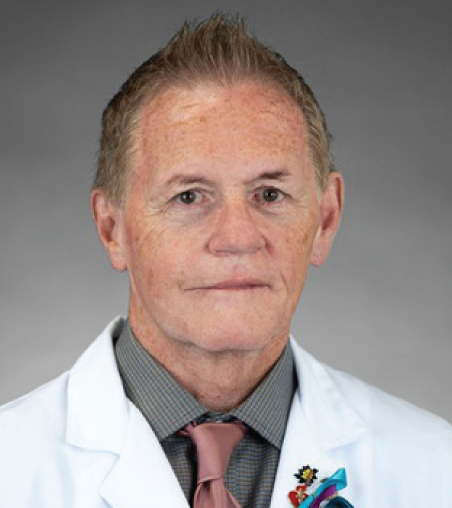 Dakota Redd, RNAt Gundersen Boscobel Area Hospital, a 25-bed critical access hospital in Wisconsin, a nurse-led stroke initiative helped reduce door-to-needle times to as low as 28 minutes while maintaining rural stroke composite scores above national benchmarks. The approach, shared during an Accelerator learning collaborative session, emphasized the importance of clarity, repeated practice, and protocol standardization — principles that resonated with other rural hospitals facing similar challenges and can be reliably replicated.
Nearly 50 quality improvement posters and model-sharing presentations developed by Accelerator participants with the support of the American Heart Association’s quality program consultants have informed conference presentations, publications, and toolkits, ensuring rural innovations reach a national audience.
Data that tells a rural story The Accelerator also supports statewide and regional efforts, demonstrating how rural hospitals can drive system-level change when aligned around shared goals. In North Dakota, more than a decade of participation in Get With The Guidelines-Stroke helped raise the rural composite performance score from 65 percent in 2010 to more than 94 percent by 2023. In South Carolina, rural hospital participation in stroke quality programs has grown by more than 50 percent since 2018, with multiple hospitals earning national stroke certification. And in Arkansas, a coordinated STEMI initiative improved timely ECGs and thrombolytic delivery across rural centers.
"The metrics collected and reported during the past two years clearly show the value of using the guidelines." – Dakota Redd |
These improvements translate into faster diagnoses, fewer complications, and better quality of life demonstrated by more patients returning home to their communities.
Recognition that reflects effort
Participation also brings visibility. All rural hospitals enrolled in Get With The Guidelines qualify for American Heart Association rural recognition — with nearly 1,000 awards issued in 2025 alone.
For many teams, recognition is less about accolades than validation — reinforcing that the work being done in small, rural hospitals matters not only locally but on a national stage.
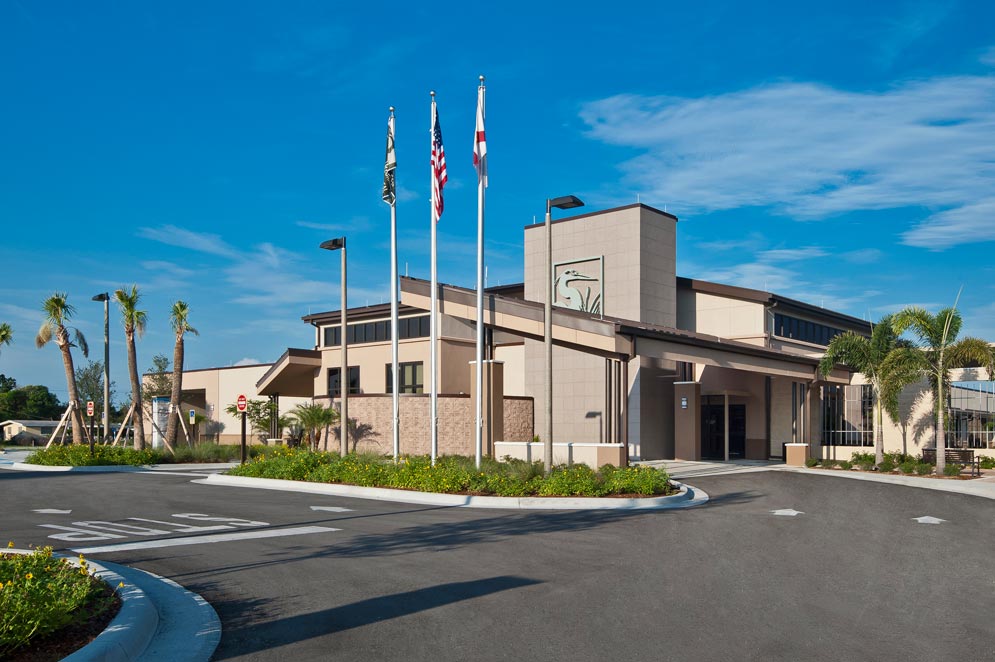 Hendry Regional Medical Center
A model built to last
With enrollment now extended through June 30, 2028, the Rural Health Care Outcomes Accelerator is positioned for long-term impact. An additional 200 program participant grants are available, expanding access to hospitals that may not have previously had the opportunity to participate.
At its core, the Accelerator reflects a simple truth rural health professionals already know: meaningful improvement happens when people learn from one another, adapt evidence to context, and commit to steady progress over time.
Innovation in rural health care has to happen quickly — and it has to last. Across the country, rural hospitals are proving that evidence-based care can be implemented rapidly and sustained, even in the most resource-constrained settings.
Enrollment is open through 2028
The American Heart Association’s Rural Health Care Outcomes Accelerator is accepting a limited number of new participants through June 30, 2028.
Eligible hospitals receive:
- Three years of no-cost access to Get With The Guidelines programs for coronary artery disease, heart failure, and stroke
- Dedicated support from a rural quality improvement consultant
- Access to peer learning collaboratives, expert toolkits, and continuing education
- Eligibility for American Heart Association rural recognition awards
Participation is open to critical access hospitals, rural emergency hospitals, and acute care hospitals in non-urban areas, as defined by RUCA codes.