
Making magic: Get to know NRHA President Carrie Henning-Smith
A well-known rural health researcher and advocate, 2026 NRHA President Carrie Henning Smith is intimately familiar with the challenges facing rural health care, with access, workforce, and mental health near the top of her list. But she also knows about the inherent innovation and determination of rural residents – how their ability to band together and care for each other can make a kind of magic happen. We sat down with Henning-Smith to learn more about her connection to rural America, why she loves rural health, and what she hopes to focus on as NRHA president this year.
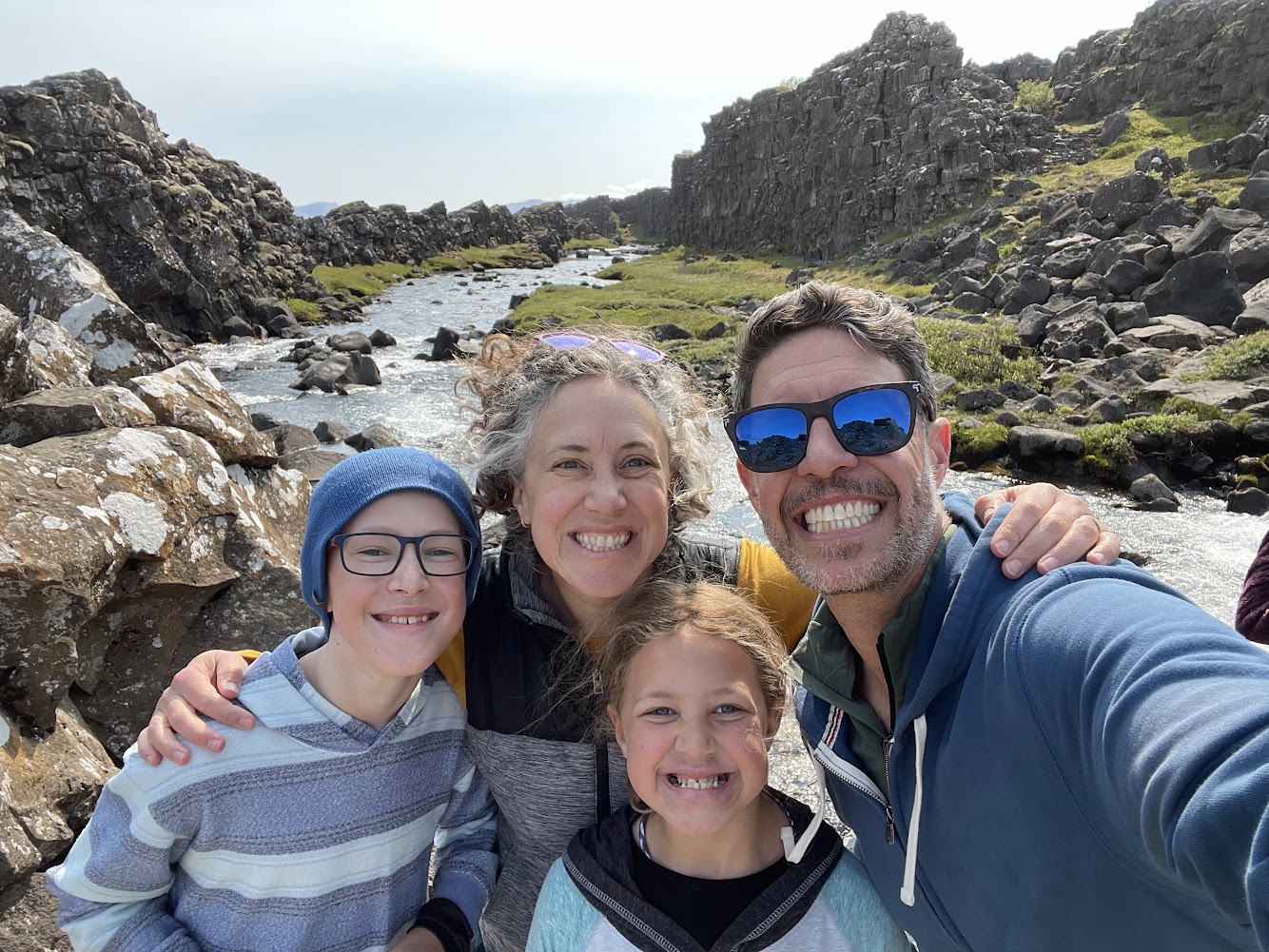 Carrie Henning-Smith and family
Where are you currently working?
I am an associate professor in the Division of Health Policy and Management at the University of Minnesota School of Public Health. I’m also co-director of the University of Minnesota Rural Health Research Center. In both of those roles my work centers on rural health research and teaching and mentoring people in rural health policy.
My work also focuses on social drivers of health in rural places – things like housing, transportation, and the broader structural forces that shape our health, well-being, and quality of life. I do a lot of work on mental health, social connectedness, aging in rural places, and access to care, including issues around rural health workforce and barriers to care.
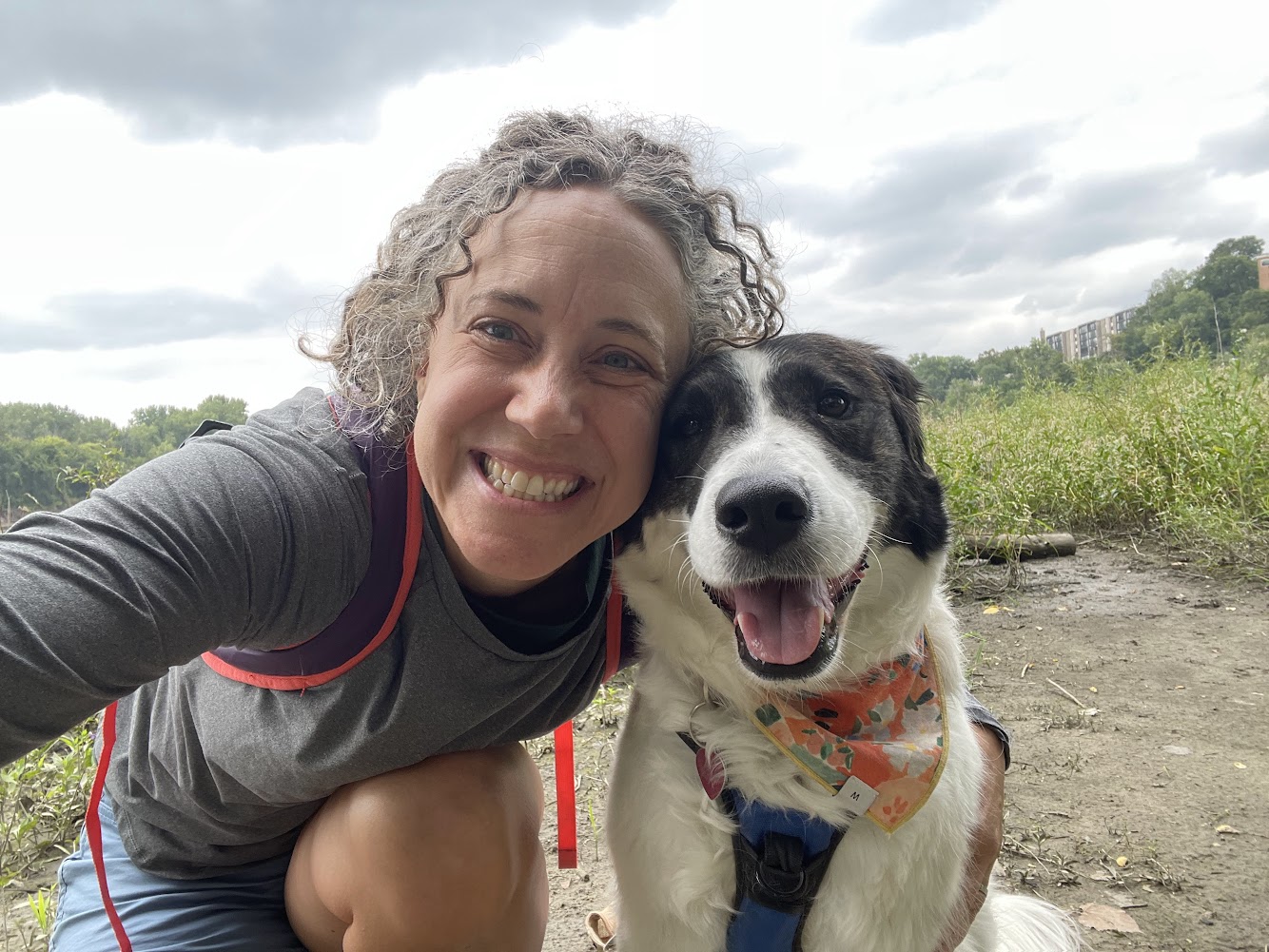 Carrie and Matilda
What is your connection to rural America?
I have a particular interest in and heart for rural because of my small-town upbringing and rural roots. I grew up in southern Wisconsin a couple of miles outside of a small town that was just shy of 4,000 people. We had no neighbors – my dad was a Lutheran pastor (we lived in the parsonage of the country church), which is what brought us to that community. It was a fairly rural upbringing, though we were within commuting distance of Milwaukee and Chicago. That gave me an appreciation of the interconnectedness between rural and urban places – I still have that deep appreciation now, as I live in an urban place but do work related to rural.
I also had grandparents with rural roots across the Midwest. My grandma in Illinois was widowed before I was born, and I spent a lot of time with her at her home in a rural community.. Her health care experiences – both good and challenging, especially around access to care – informed my interest in rural aging and aging in place. I am passionate about issues of mental health and social connectedness. I think rural places have some challenges in those areas, but those are also areas where I think rural communities can really shine and thrive.
"I have a particular interest in and heart for rural because of my small-town upbringing and rural roots." – Carrie Henning-Smith |
What do you love about rural health?
In rural places we see a lot of innovation and care and concern for neighbors, and I really love that. I’m also interested in how rural living impacts quality of life. I think rural communities are exciting because they can be nimble and innovative, especially when given resources and adequate support. Left to their own devices but with adequate support, I think magic can happen in rural communities.
I’m very interested in advancing health equity. Rural residents experience inequities in health and access to resources, and I’m interested in disrupting those inequities and thinking about ways we can do things better. I feel very at home in rural places. I think that’s deeply a part of me and always will be, so it’s a meaningful place for me to focus on.
"In rural places we see a lot of innovation and care and concern for neighbors, and I really love that." – Carrie Henning-Smith |
When did you first get involved with NRHA?
I’ve been involved with NRHA since 2015 – that was the first time I attended NRHA’s Annual Rural Health Conference. It was right as I was finishing my PhD and starting with the University of Minnesota Rural Health Research Center. NRHA is such a great group of people. They are committed to the mission and do incredible work. I see movement happening on the Hill, and I see things happening around the country, and I think that’s really inspiring. There’s a very real sense of care and concern for one another and rural people and places.
"In rural places we see a lot of innovation and care and concern for neighbors, and I really love that." – Carrie Henning-Smith |
For me as an academic, I love NRHA because it puts researchers and academics alongside people who are doing policy work, providers in the field, administrators, people doing work at the state level – it's such a great mix of people doing rural work in every sector imaginable. I’ve appreciated the opportunity to present my rural research to people who are living it and can give real-time feedback on how that plays out in their work. I find that incredibly meaningful.
I also like that NRHA has so many opportunities to get involved. I’ve worn a lot of different hats within NRHA and have loved the chance to jump in with both feet. I’ve been part of the NRHA National Rural Age-Friendly Initiative, the Journal of Rural Health Editorial Board, Health Equity Council, and Government Affairs and Policy Congress.
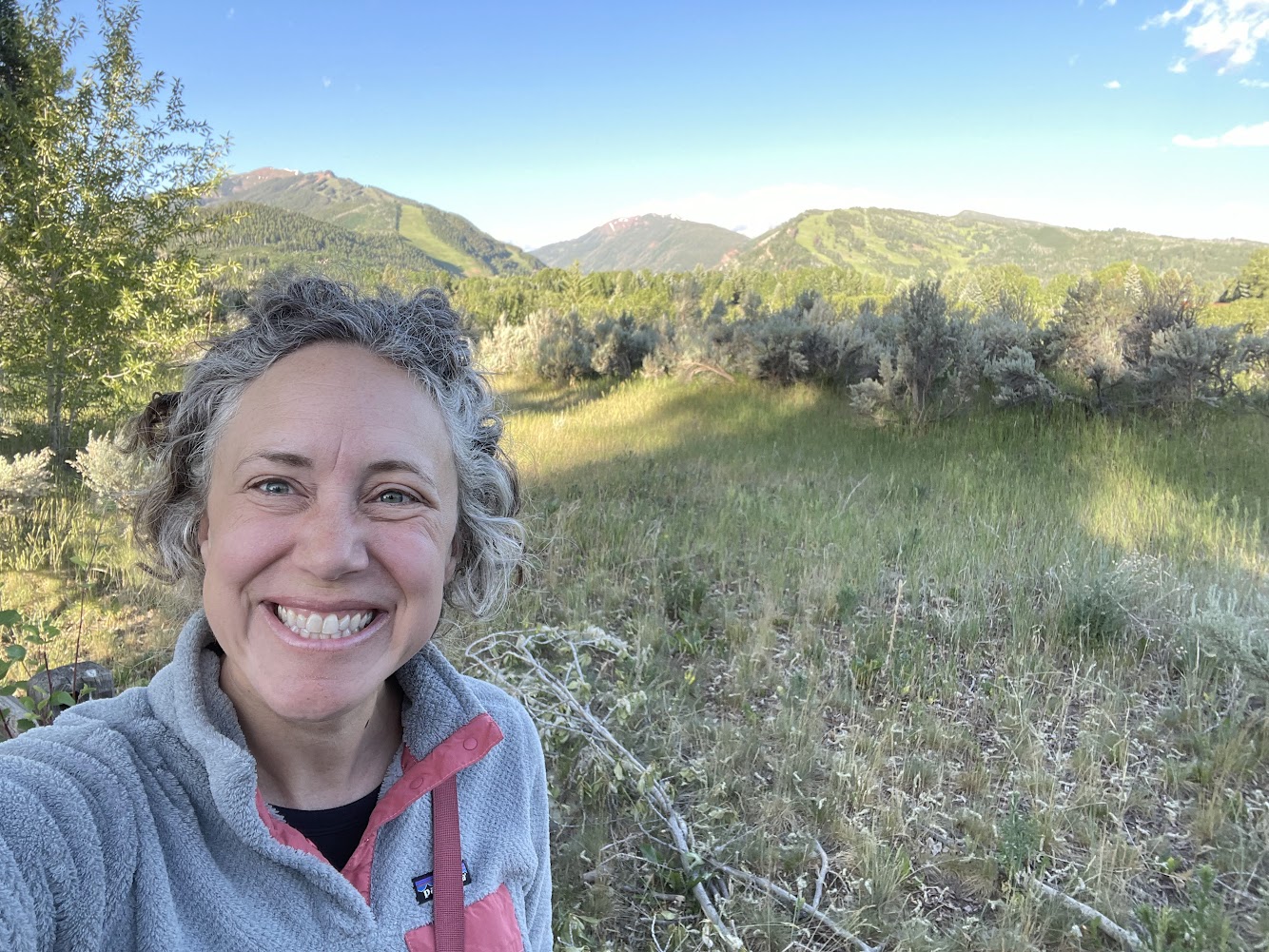 Carrie in Aspen
What are your goals as NRHA president, and what are you looking forward to this year.
This feels like a very interesting and exciting time to be focused on rural health. With everything happening at the federal level such as the Rural Health Transformation Fund and proposed cuts to Medicaid, there’s a lot of good and a lot of frightening things happening in the rural health space. This is a moment of incredible change and volatility, and it feels more important than ever to have a strong community where we can share ideas, support one another, and move policy, programs, and research forward in a way that truly has the best interest of rural and the voices of rural residents at its core.
"Left to their own devices I think magic can happen in rural communities." – Carrie Henning-Smith |
I’m excited to keep NRHA and the community really strong in this moment of incredible change and challenge. Given my academic and personal interest in social well-being and connectedness, I’m excited for more opportunities to help people connect with one another and feel like no one is doing this work alone. We care about each other professionally, but we also care about each other personally. We want to make NRHA a welcoming, big-tent environment for anyone interested in doing rural work.