
Meeting essential needs brings dignity to the desert
In the rural town of Sunsites, Ariz., Donna (name changed for privacy), a woman in her mid-60s, faces the daily realities of aging in a remote community. Like many of her neighbors in Cochise County, she lives on a fixed income and manages multiple chronic health conditions. Despite these challenges, Donna remains fiercely independent and resilient. She moves through each day with quiet determination, serving as a steady anchor for her husband and holding onto hope that support will come.
That support finally arrived in an unexpected but essential way: a community diaper bank — one of the newest services offered by Northern Cochise Community Hospital (NCCH), based in Willcox, Ariz.
“I didn’t know where else to turn,” Donna says. “It’s not easy to ask for help. But when you’re older and it means saving a lot of money, this is very helpful for low-income people. Otherwise it’s hard to stretch money for pull-ups.”
The rural challenge
 Jason ZibartCochise County is vast — more than 6,200 square miles of mostly desert and ranch land. It has a population density of just over 20 people per square mile. The region’s geography, coupled with limited transportation and few urban centers, has long made access to health and social services a challenge. For seniors or low-income families, these barriers can be overwhelming.
Aging residents like Donna represent a growing demographic in the county. As of 2025, nearly 19 percent of Willcox’s population is over 65, and 16 percent of those seniors live below the poverty line, well above the state average. Many rely solely on Social Security, which falls short when it comes to covering essentials like health care, housing, and other basic needs, such as adult incontinence products.
That's where Benson Hospital and NCCH come in, making the most of a partnership with the Arizona Diaper Bank, based in Tucson and the first of its kind in the U.S.
Finding a lifeline
Jason Zibart, Tucson Medical Center executive director of community development for rural hospitals, first became aware of the Arizona Diaper Bank in the fall of 2020. Known for its innovative approach to distributing diapers and hygiene products to families and seniors in need, the organization inspired a local initiative. Since then, Benson Hospital has distributed more than 60,000 incontinence and health-related items through its own diaper bank program.
“I have two favorite experiences with the diaper bank,” Zibart says. “The first is when somebody graduates and no longer needs to use the services … there’s an incredible feeling when they come back and donate to the program that helped them. The second is … (how) the diaper bank collaboration was really the beginning of our strategy around doing everything possible to improve community health. Now it’s not uncommon for someone to comment on Facebook that they need help and have multiple people respond with something like, ‘Go to Benson Hospital. If they can’t help you, they can find someone who can.’”
"It’s not easy to ask for help. But when you’re older and it means saving a lot of money, this is very helpful for low-income people." – 'Donna' |
It was Zibart’s work in Benson that inspired NCCH to start a diaper bank in Willcox. Gary Kartchner, the CEO of both hospitals, says this has helped the facilities provide essential services to the community.
“Our hospitals exist to serve the community,” Kartchner says. “And sometimes that means going beyond clinical care. If someone can’t afford diapers or incontinence supplies, that becomes a health issue too.”
In August 2024, NCCH launched its first diaper bank in partnership with the Arizona Diaper Bank, hosted at the Willcox Senior Center, right behind the hospital.
A quiet beginning with big results
 Gary KartchnerThe first diaper bank was set up with hope but little certainty. Volunteers and staff — such as Michelle Pepin, the CEO’s administrative assistant, and Heidi Dehncke-Fisher, the hospital’s public relations liaison — organized tables full of supplies: diapers ranging from newborn sizes to toddler pull-ups. The adult incontinence products weren’t yet available, but plans were in motion.
Advertising through flyers and social media paid off. That first event brought in 17 families, most of them young mothers struggling to make ends meet.
“We can’t believe you’re doing this,” one mother said. “I’m going to tell everyone I know.”
By February 2025, the diaper bank was serving up to 65 people each month. Today it consistently supports around 50 families with products that often fall outside public assistance programs like WIC or SNAP.
A broader mission: Serving ‘from cradle to cane’
Founded in 1994, the Arizona Diaper Bank was the first of its kind in the United States. What began as a holiday drive grew into a statewide initiative, now distributing more than 3 million diapers each year across more than 50 partner agencies.
“We support everyone from the cradle to the cane,” says Catherine Demotica, program and volunteer manager. “That includes children’s diapers, adult incontinence supplies, period products, cloth diapers, and potty-training kits. These are basic human needs.”
"The diaper bank collaboration was really the beginning of our strategy around doing everything possible to improve community health." – Jason Zibart |
Despite their importance, such products are often overlooked in social support conversations. Yet the consequences of lacking them are clear: increased hospitalizations for seniors, skin infections for infants, potential UTIs, social isolation, and anxiety.
According to CEO Yevette Sykes, the Arizona Diaper Bank was created to fill this critical gap.
“When the Arizona Diaper Bank was founded over 30 years ago, it became the first diaper bank in the nation,” Sykes says. “At that time, the idea of ‘diaper need’ wasn’t widely recognized as a social issue [as safety net programs don’t cover this] … It took persistence, advocacy, and a lot of education to help funders and the community understand that diapers are just as essential as food and shelter.”
Expanding the impact: San Simon and beyond
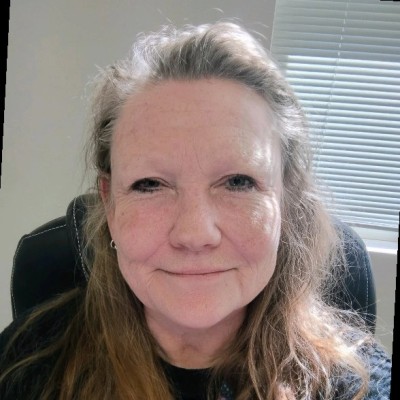 Heidi Dehncke-FisherAfter a few months of success in Willcox, the NCCH team decided to replicate the model in San Simon, a tiny town 40 miles east with only 165 residents — many of them older adults.
After connecting with Fire Chief John Novak in October 2024, the team launched a diaper distribution site at the local volunteer fire station, intentionally aligning it with the town’s monthly commodities distribution day.
The NCCH diaper bank started with just eight people representing eight families. Now they serve nearly 30 residents a month. That’s almost 20 percent of their population. From 2024 to 2025, NCCH in partnership with the Arizona Diaper Bank gave out more than 35,000 diapers.
Word has spread to neighboring rural towns like Bowie and Safford, where residents sometimes travel from to access this critical service.
Staff and volunteers carry the mission
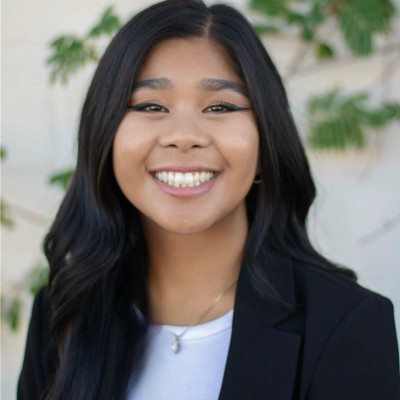 Catherine DemoticaStaff and volunteers truly carry the mission forward. One of those dedicated individuals is Clary Cunningham, Willcox Against Substance Abuse Program director and a student and family support coordinator at the local elementary school.
Clary volunteers at every monthly distribution in Willcox, offering supplies and support to those in need.
“The diaper bank is doing real, tangible work,” she says. “It’s meeting people where they are — providing a basic necessity at no cost. That’s powerful.”
Clary sees the program not just as a charitable gesture but as a mutual aid model that builds connection, trust, and community resilience.
“Community-based mutual aid efforts are incredibly effective,” she says. “They adapt in real time, gather community data, and offer solutions that actually work. This kind of work should be celebrated and supported.”
Community, care, and dignity
Over time, staff and volunteers have gotten to know the people who return each month. They can even predict some of the supplies many people will need.
“One woman asked if we could try and get the same brand of bed pads,” one volunteer shares. “She liked how one fit better than another. I had to explain we get what we’re given — but she was still grateful.”
"If someone can’t afford diapers or incontinence supplies, that becomes a health issue too." – Gary Kartchner |
That sense of gratitude and trust has become a cornerstone of the program. Even when the choices are limited, the access to free, consistent support is meaningful.
And for Donna — who once wasn’t sure help would ever come — it’s made all the difference.
“This is more than just supplies,” she says. “It’s knowing someone cares, and we appreciate all the help from the diaper bank.”
Why it matters
Health and well-being aren’t just shaped by clinics, prescriptions, or hospital beds. In rural communities like Willcox, Benson, and San Simon, access to dignity-based support services — like diapers and incontinence products — can have profound ripple effects.
These programs prevent medical complications, reduce caregiver stress, support families in poverty, and connect isolated individuals to a caring network. When run by trusted local institutions like NCCH and Benson Hospital, they strengthen the very fabric of rural health care.
"We support everyone from the cradle to the cane. These are basic human needs." – Catherine Demotica |
Public health professionals often focus on policy, infrastructure, or outcomes. But stories like Donna’s remind us that sometimes the biggest difference is made in the smallest things — a clean pull-up, a fresh set of bed pads, and a friendly smile at the distribution center.
The work continues. And in the deserts of southern Arizona, dignity has found its way back to the people who need it most.
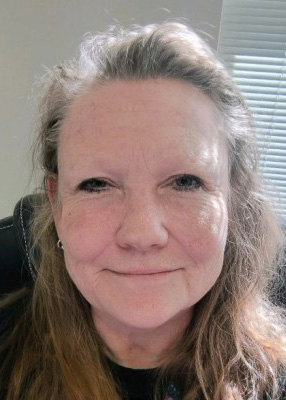 | About the author: Heidi Dehncke-Fisher is a communications and content specialist for Northern Cochise Community Hospital working in public relations, fundraising, and advocacy. |