
Marketing as a lifeline for rural facilities facing cuts
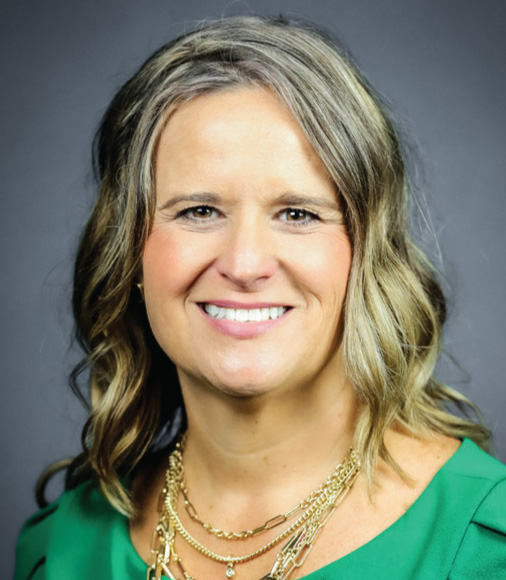 Toniann RichardNot long ago, marketing was not a high priority for Toniann Richard, CEO of HCC Network in west-central Missouri. “We used to look at marketing as a nicety,” she recalls. “Our tactics were the traditional things you might expect in a rural center — a few newspaper ads, press releases, community events.”
But with recent changes and challenges facing the health care industry, Richard knew that wasn’t enough. “We began taking a broader and more intentional approach to marketing involving more team members — from clinical to operations — and going directly to patients for input,” Richard explains.
One turning point came when Richard and her team began asking patients how they found HCC. “We expected them to say Facebook or flyers,” she says. “But what we heard instead was friends, family, church members, and other providers. It was grassroots.” That insight shifted everything.
"We began taking a broader and more – Toniann Richard |
What emerged was a new philosophy: marketing is no longer about promotion; it is about connection. Every operational improvement, every conversation, became part of the patient experience — and part of HCC’s story.
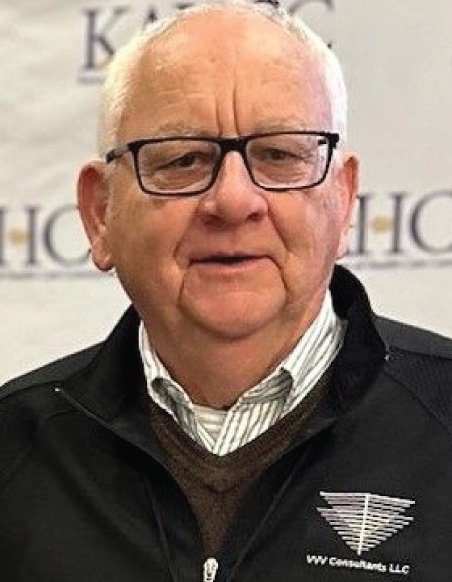 Vince VandehaarAcross rural America, community health centers (CHCs) and federally qualified health centers (FQHCs) are coming to the same realization. Marketing is not a luxury; it’s a necessity for survival. These centers are often the only providers for miles, offering not only primary care but also behavioral health, dental, pharmacy, and social support services. They are woven into the fabric of small towns, serving migrant farm workers, aging populations, and low income families who might otherwise lack access to care.
Collectively, nearly 1,400 FQHCs provide services to more than 32 million patients nationwide — one in 10 people in the United States — according to the Health Resources and Services Administration (HRSA). Despite their reach, most operate on the narrowest of margins. HRSA data show that FQHCs ended 2023 with an operating margin of just 1.7 percent, and the National Association of Community Health Centers projects a 2 percent loss for 2024. With pandemic relief funds expiring and Medicaid redeterminations underway, rural centers like HCC must adapt quickly to survive.
“Cuts to Medicaid are not an abstract policy issue for rural health centers,” says Vince Vandehaar, principal at an industry consulting firm. “They go straight to the bottom line, because Medicaid patients make up such a large percentage of the payer mix in rural areas. Without creative solutions and support, we will see centers closing their doors.”
"Cuts to Medicaid are not an abstract – Vince Vandehaar |
For HCC Network, marketing has proven to be one of those creative solutions — not as a department or a function, but as a strategy woven throughout the organization.
Marketing as a strategic tool
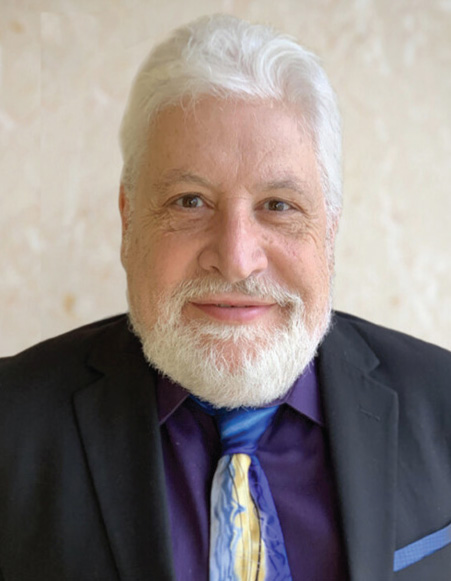 Steve WeinmanRural FQHCs have historically lacked dedicated marketing staff; however, the role of communication is becoming increasingly undeniable. Marketing can correct misconceptions, attract new patients, strengthen payer relationships, and build donor support. Experts suggest the following marketing priorities for FQHCs and CHCs:
Reframe the brand: “FQHCs are health care’s best-kept secret,” says Steve Weinman, a former FQHC administrator and principal at an FQHC consulting firm. “Many people don’t know they exist or assume they are only for Medicaid or uninsured patients.”
Language matters: Weinman believes FQHCs should rebrand and shed outdated labels: “If Mayo or Cleveland isn’t in your name, maybe ‘clinic’ shouldn’t be either. Patients sometimes equate ‘clinic’ with low-quality care for people experiencing poverty — even when the opposite is true. Rural centers need to present themselves as community health care homes.”
"If Mayo or Cleveland isn’t in your name, maybe ‘clinic’ shouldn’t be either." – Steve Weinman |
Enhance the payer mix: Payer mix remains a central challenge for health centers. According to HRSA’s Uniform Data System and NACHC’s 2024 Chartbook, Medicaid represents 44 percent of FQHC revenue nationwide, while Medicare and commercial insurance account for just 10 percent and 12 percent, respectively. In rural markets, where fewer employers offer private coverage, this imbalance is even more pronounced. When Medicaid budgets tighten, rural health centers are left with little financial cushion.
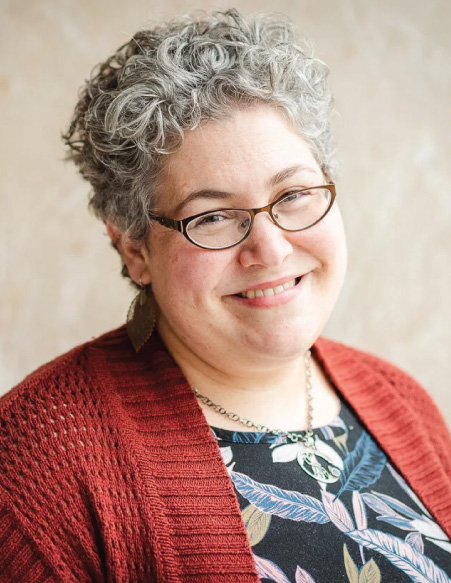 Jen Garces de MarcillaJen Garces de Marcilla, also an FQHC marketing strategist, stresses that diversifying the payer mix is critical. “It’s both smart and mission-driven to use marketing to reach Medicare and commercially insured patients,” she says. “Marketing to insured patients doesn’t mean leaving uninsured patients behind. It means making sure you’re still here to serve them.”
Prioritize marketing efforts: With limited resources, health centers must focus their marketing efforts by concentrating on the low-hanging fruit. Garces de Marcilla outlines key priorities: keeping Google and website listings up to date, making patient materials clear, investing in trackable digital ads, and using customer relationship management programs to follow up with leads and measure impact. “Focus on short, actionable marketing projects that create quick wins, like systems to generate more five-star Google reviews, launching targeted Facebook ads, and implementing simple CRMs to track ROI,” she advises.
Craft a quality story: Rural centers are not just filling gaps — they are delivering high-quality care. According to NACHC’s 2024 Chartbook, FQHC providers typically see 20 to 22 patients per day, compared with 30 to 40 in private practices, as reported by the Medical Group Management Association. This smaller caseload allows for more coordinated care and greater patient education.
"It’s both smart and mission-driven to use marketing to reach Medicare and commercially insured patients." – Jen Garces de Marcilla |
“Quality isn’t just a compliance requirement, it’s a marketing opportunity,” says Sheryl Garland, chief of health impact at VCU Health in Virginia. “When community health centers outperform benchmarks, that story needs to be told. It builds trust with patients, credibility with payers, and pride among staff.”
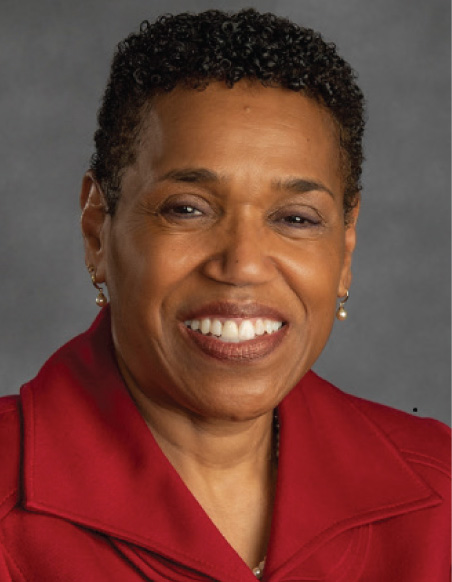 Sheryl GarlandGarland adds that FQHCs can strengthen their value proposition by using HEDIS (Healthcare Effectiveness Data and Information Set) metrics as a storytelling framework. These benchmarks, such as cancer screenings, immunizations, and chronic disease management, show that many health centers consistently outperform private practices, thanks to integrated care and patient follow-up.
“For Medicare and commercially insured prospects, these data points counter the misconception that health centers provide ‘good enough’ care,” Garland says. “For Medicaid managed care plans, metrics reinforce why partnerships with FQHCs are vital to meeting plan-wide quality targets.”
Strengthening efforts through partnerships
Many health centers are too small or financially constrained to have a dedicated marketing staff and budget. But hospital and health system marketing teams are well-suited to lend support by sharing expertise, creative services, communication channels, and data analytics.
"Quality isn’t just a compliance requirement, it’s a marketing opportunity." – Sheryl Garland |
For hospitals, helping CHCs and FQHCs is not just charity; it’s strategic. The benefits include more coordinated care, stronger community relationships, improved population health, and reduced costs from avoidable ER visits and readmissions.
“When FQHCs thrive, hospitals benefit,” Weinman says. “It reduces emergency department strain, supports value-based care goals, and strengthens the entire health ecosystem.”
Closing gaps with marketing
Medicaid cuts threaten to widen gaps in rural health care. Communities already grappling with higher disease burdens, workforce shortages, and limited resources may find themselves with fewer options.
But rural health centers have tools to fight back. By reframing their image, highlighting quality, diversifying their patient mix, and using digital platforms effectively, they can build resilience. By extending their marketing expertise with hospital partners, the impact can be multiplied.
"Without creative solutions and – Sheryl Garland |
For HCC Network, the journey has already begun. “Implementing a marketing program isn’t a onceand- done project,” Richard says. “It’s an ongoing process that involves monitoring, listening, and being ready to pivot.”
Making marketing an integral part of their mission has reshaped HCC Network’s culture. “We’re better than we were yesterday,” Richard says. “That commitment to keep learning, stay connected, and share our story is what keeps us moving ahead.”
A rural case: HCC Network in Missouri
HCC Network, an FQHC serving nearly 8,000 patients across six clinics in west-central Missouri, has embraced marketing as a core strategy for survival and growth.
“Our social media is probably our biggest strategy,” says Toniann Richard, CEO of HCC Network and NRHA board member. Posts are tied directly to clinical priorities — from cancer screenings in the fall to back-to-school wellness in the summer — ensuring that outreach aligns with both patient needs and quality measures. “To connect with the youngest members of our community, we have enlisted public health students from a local university who will create TikToks for us to add to our marketing mix.”
As part of its more intentional, patient-centered approach, HCC Network implemented several grassroots initiatives:
- Rack cards feature provider photos, bios, and details that reflect their personality, help patients feel more connected, and make it easier for clinicians to provide a warm handoff.
- Legacies of Care webpage showcases real patients and their health care journeys, amplifying authentic voices and building peer-to-peer trust.
- Operational updates improved scheduling and increased capacity to make care more accessible.
- Plain-language communication replaced jargon, such as blood pressure instead of hypertension and blood sugar instead of A1C, ensuring every patient feels understood.
HCC also simplified its website to make it more community-focused, repurposed the CRM for fundraising and awareness campaigns, and runs six targeted digital campaigns a year to fill service gaps.
Looking ahead, Richard and her team are planning the next phase of their marketing evolution. They hope to create a consumer advisory group to formalize patient and community feedback across HCC Network’s diverse service area. They’re also identifying marketing KPIs to measure what matters most. “It’s not just about counting clicks or likes,” Richard explains. “We’re asking, does our marketing move people toward care, and does it help them stay healthier?”
 | About the author: Susan Dubuque is a health care strategist and writer specializing in behavior change and population health. |