NRHA celebrates Older Americans Month with SRHAs
Led by the Administration for Community Living (ACL), each May Older Americans Month (OAM) celebrates the contributions and resilience of older adults while reaffirming the commitment to support their well-being through programs, care systems, and policies. This year’s theme was “champion your health,” emphasizing the importance of prevention, wellness, and personal responsibility in healthy aging. The observance encourages older adults to be actively involved in managing their health by accessing preventive services, advocating for themselves, and making informed care decisions.
Developed in partnership with The John A. Hartford Foundation, NRHA’s National Rural Age-Friendly Initiative (NRAFI) is working to expand state rural health associations’ (SRHAs) rural aging work. This year NRHA invited SRHAs to apply for an e-newsletter and social media information dissemination award. Through this opportunity, NRHA provided a total of 10 mini-awards, each in the amount of $500, to SRHAs not currently receiving NRAFI partnership pipeline funding. The 10 SRHA awardees are located in California, Colorado, Georgia, Missouri, Montana, New England, Ohio, Pennsylvania, Texas, and West Virginia.
Awardees disseminated at least six targeted e-newsletters and/or social media messages focused on rural older adults in recognition of OAM. NRHA developed and provided ready-to-use e-newsletter and social media content as inspiration for their media dissemination. Awardees had the flexibility to adapt content to fit their organizations’ protocols and chose which messages, e-news articles, and/or social media posts to publish.
The initiative behind the award was designed to strengthen awareness, build capacity, and enhance engagement around OAM and additional rural age-friendly efforts among states with more limited resources. It also marked NRHA’s initial undertaking to promote engagement metrics and assess outcomes. NRHA provided the SRHAs with an evaluation form to complete after the dissemination that examined implementation challenges and successes with communication, impact, and outreach.
SRHAs that received the funding submitted their dissemination results and feedback. Their outcomes are summarized below.
SRHA OAM campaign results, feedback, and outcomes
The results presented in this blog reflect evaluation data received from nine SRHAs that received the 2026 OAM mini information dissemination award. At the time of publication, one SRHA evaluation was still pending and is not included in the findings summarized below.
Number | SRHA awardees | Platform(s) used | Content posted |
1 | West Virginia | Facebook, LinkedIn, website, newsletter | 8 |
2 | New England | 9 | |
3 | Ohio | 4 | |
4 | Colorado | Newsletter | 10 |
5 | Montana | Instagram, Facebook, two newsletter channels | 11 |
6 | Georgia | 3 | |
7 | Pennsylvania | LinkedIn, email, newsletter | 8 |
8 | Texas | 12 | |
9 | Missouri | Facebook, Instagram, LinkedIn, newsletter | 6 |
| Totals |
| 71 |
Reach, impressions, and engagements
(Note: Since “reach,” “impressions,” and “engagement” were not uniformly defined across reporting organizations, these figures reflect self-reported totals rather than standardized metrics.)
Across the initiative, the nine SRHAs disseminated 71 total content pieces, generating a combined 10,709 impressions, a reach of over 6,000, and 272 engagements. The relatively strong engagement rate suggested that content resonated meaningfully with audiences.
One SRHA noted, “Based on open rates and engagement, our audience responded particularly well to the three emails we sent out and their content that connected the broader goals of healthy aging with practical strategies, partnerships, and resources that health care and public health professionals can incorporate into their work supporting older adults.”
SRHAs took the initiative to maintain regular activity throughout OAM, helping keep age-friendly initiatives visible within their communities.
Implementation challenges
SRHAs encountered a few recurring challenges throughout the campaign, including limited staff capacity, competing organizational priorities, and difficulty reaching older adults directly.
It was hard for SRHAs to assess whether their campaign influenced older adults to take action on their health due to limited engagement with the older adult population within their media reach – but also because members or engaged stakeholders are mostly organizations and public health professionals rather than patients.
Combined with competing organizational priorities, this limited some SRHAs’ ability to develop and disseminate content independently. NRHA’s pre-developed communications materials, created in alignment with the ACL, helped address this barrier.
Overall impact
Despite these challenges, many SRHAs reported that this award helped improve their organization’s ability to communicate about rural age-friendly care and engage rural audiences. NRHA’s materials were especially valuable in strengthening these messages, particularly for organizations that lack the time to develop content on their own.
Additionally, all SRHAs reported that this campaign helped raise awareness about OAM and rural age-friendly initiatives, with several noting they would continue posting age-friendly content going forward.
The following testimonials from SRHA staff demonstrate the initiative’s impact:
- “This campaign improved our abilities to communicate about age-friendly care by providing us with resources and organizations to turn to receive more information. Older adult health is a very important topic, but as a nonprofit we are often stretched thin. This campaign was meant for our members, but it helped provide our staff with more resources too.”
- “The pre-made content made the process easy and provided an opportunity to share new topics with our members.”
- “Now that we are aware of OAM, we will post about it each year.”
Utilizing this evaluation and feedback, NRHA will continue working with our partners and through NRAFI to promote age-friendly resources and ensure SRHAs receive the best technical assistance for next year’s award.
To learn more about OAM and rural age-friendly care efforts, visit the National Rural Age-Friendly Initiative Resource Hub. Newly developed rural age-friendly FAQs can help you or your organization better understand age-friendly care and how to support rural older adults.
NRHA produced the above piece in partnership with The John A. Hartford Foundation through NRHA’s National Rural Age-Friendly Initiative for publication within the Association’s Rural Health Voices blog.
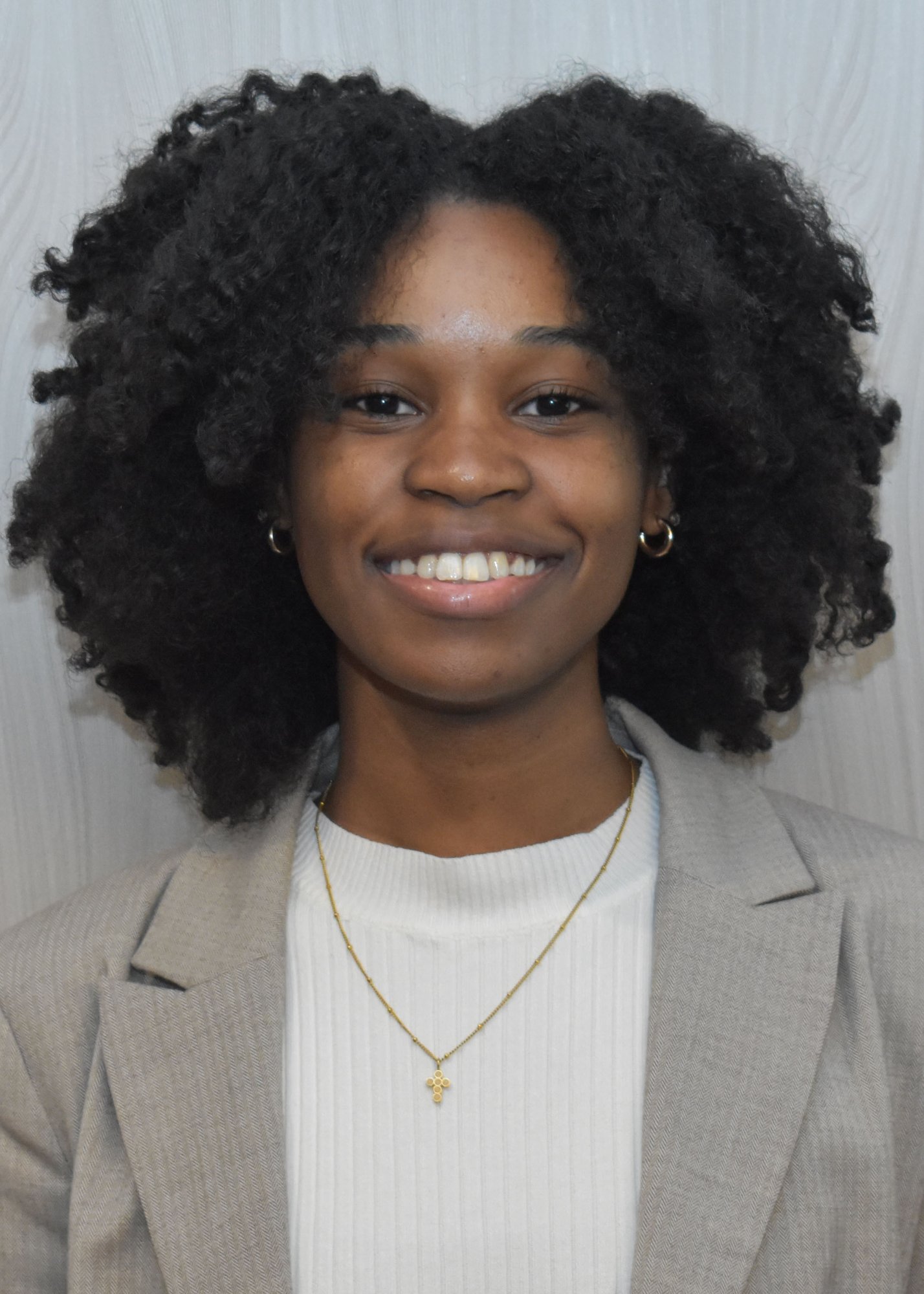 | Corine Jacques is a student at Penn State University where she is pursuing an integrated master of public health degree in health policy and administration. She served as a program services intern with NRHA where she provided logistical support for meetings, contributed to activities under the National Rural Age-Friendly Initiative, developed educational content, and compiled resources on age-friendly practices. |